Thanksgiving Break: How to Keep a Young Volleyball Player Sharp Without Burning Them Out
A week off school, a house full of relatives and no gym. What a short break does to a young player's game, how much to do at home, and how to make the first session back go well.
Thanksgiving lands on Thursday, November 26 this year, and most Orange County schools are out the whole week. We've already had parents ask what their kid should do with it. Some want a camp. Some are driving to Arizona and want to know if a week of pie is going to undo two months of passing work.
It won't. Here's what we tell families in the gym.
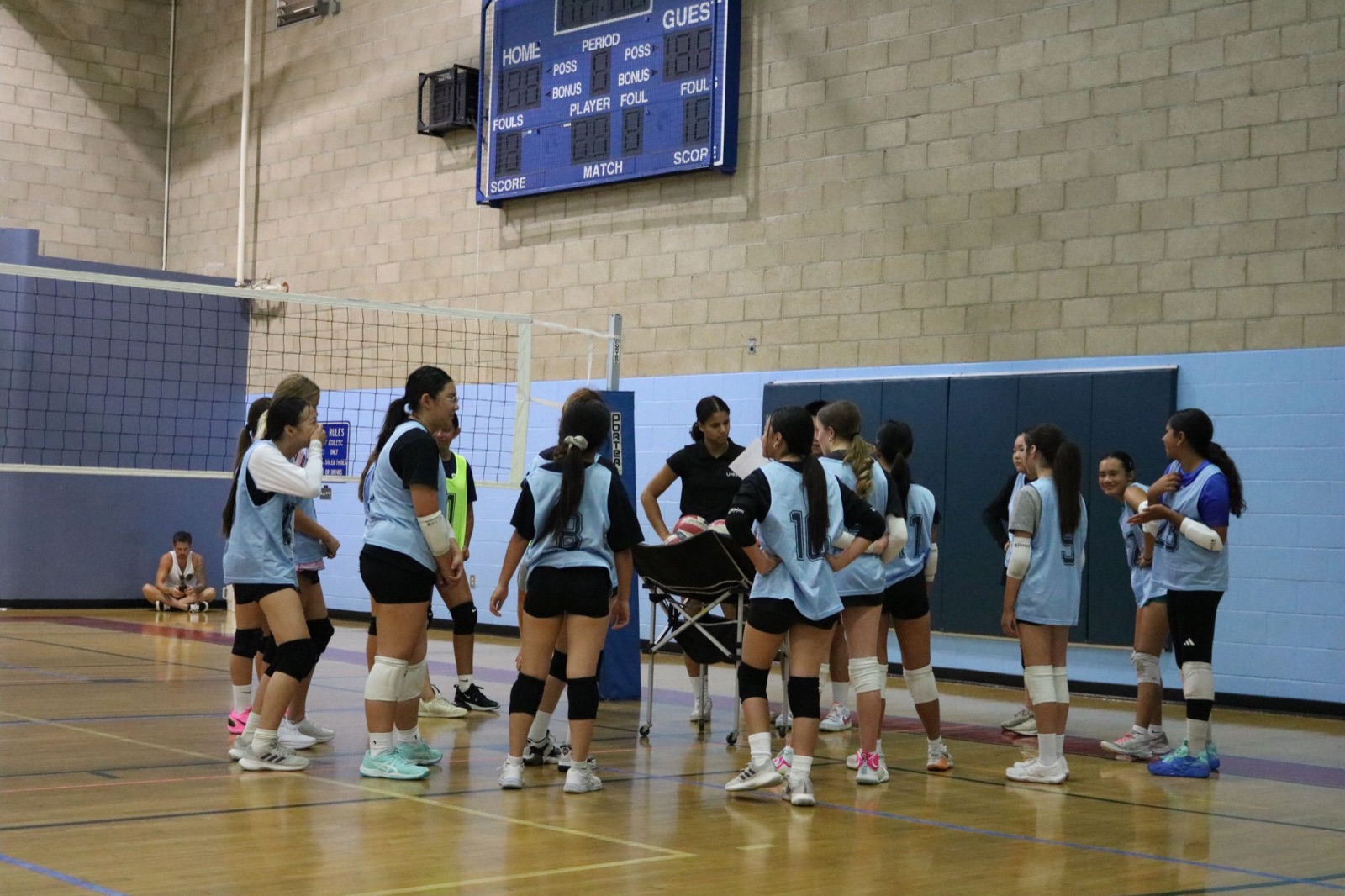
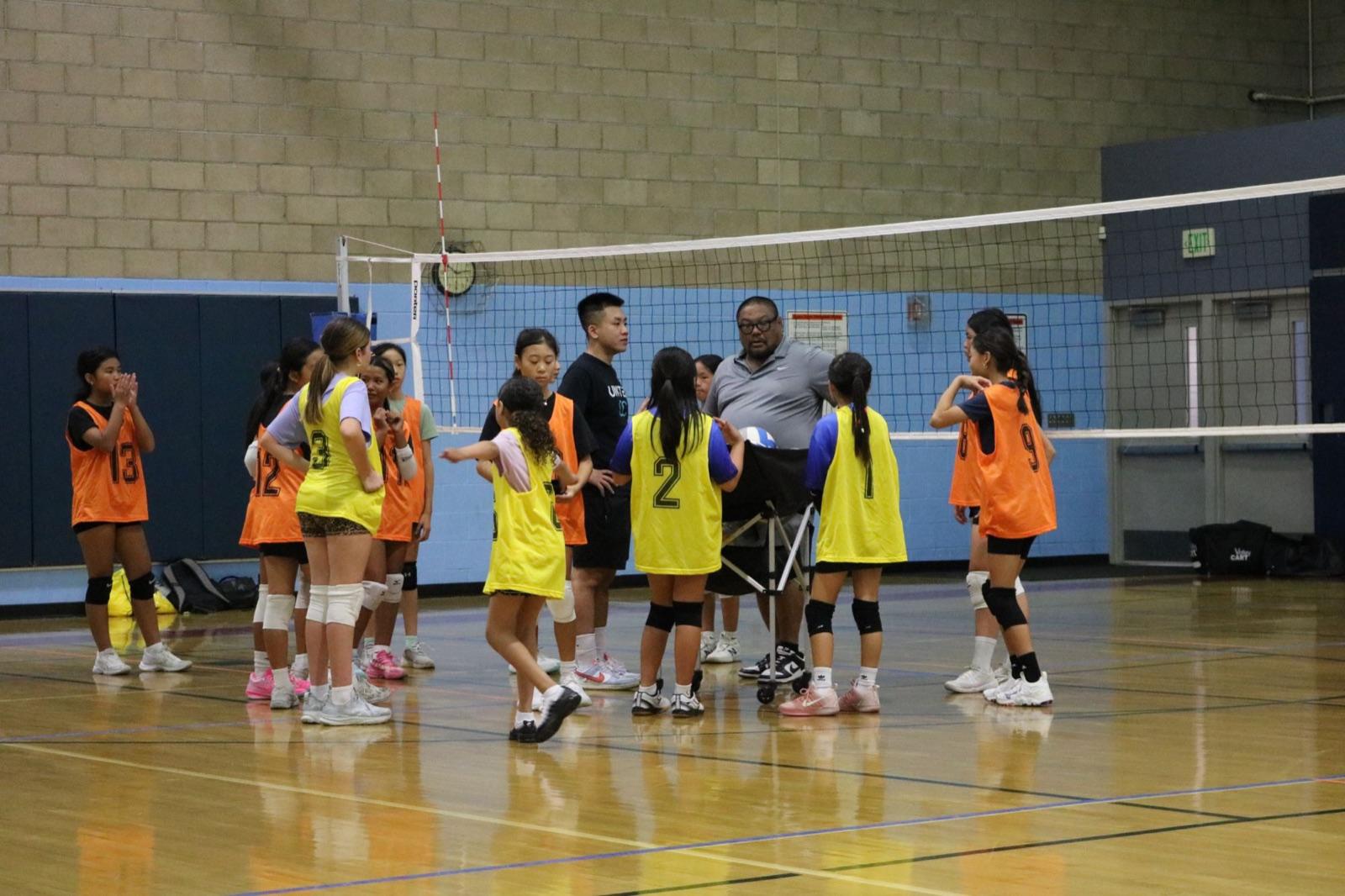
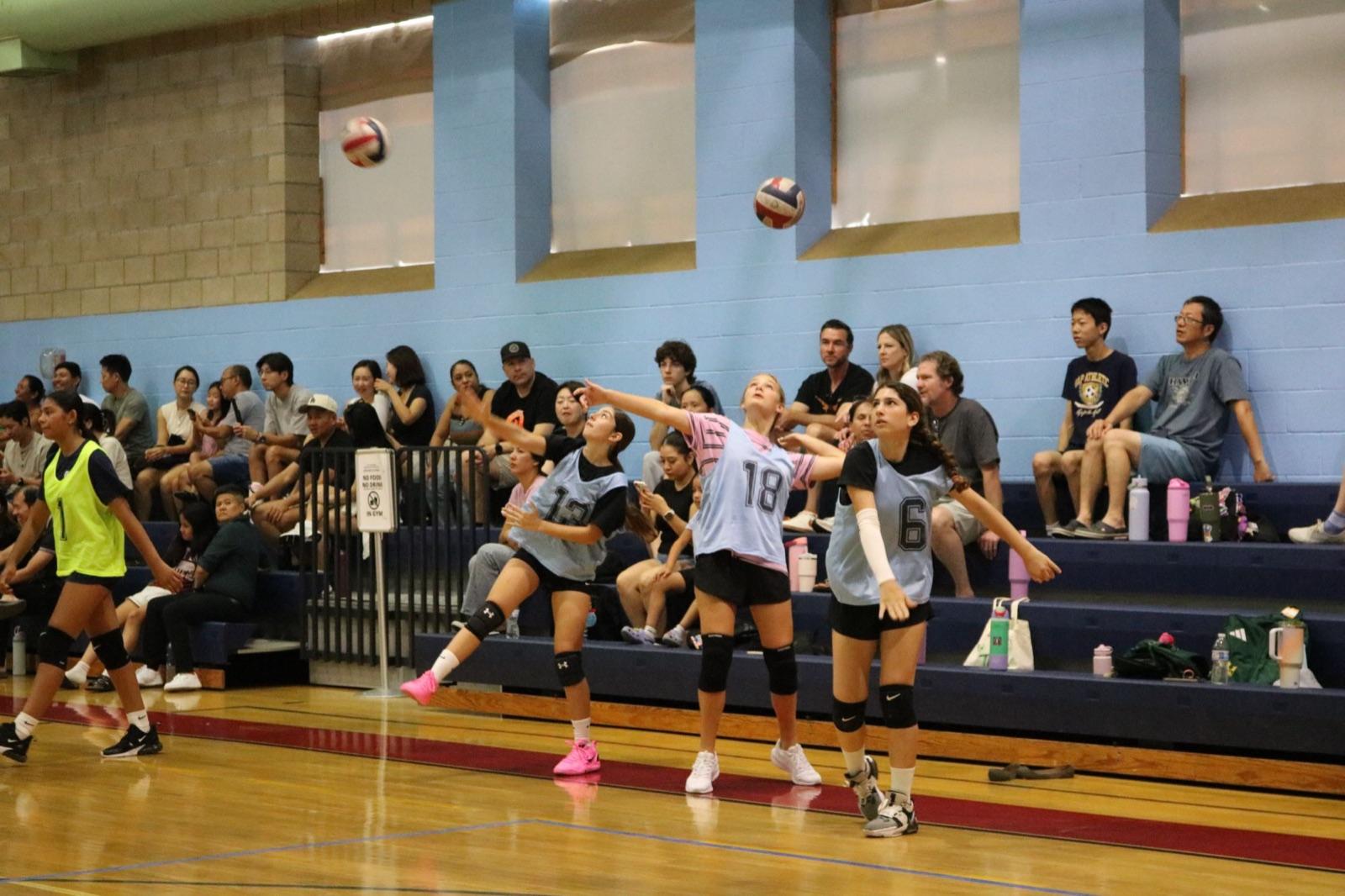
Back in the gym after a break, the first few minutes are always about getting the hands warm again.
A week off is fine
Kids lose a little timing over a break. They don't lose the skill. A player who has been passing the ball well since September will come back and shank the first three, then find it again by the end of warm-up. We see it every year after the holidays and it barely registers as a blip.
What a break does give a young athlete is recovery. Joints that have been jumping and swinging three or four days a week get a chance to settle. Plenty of kids come back moving better than when they left. If your player has been grumbling about a sore shoulder or a tight knee, the best use of the week might be doing nothing volleyball-related at all. And if the soreness is still there after a week of rest, get it looked at by a doctor before they're back on court.
So the first thing to do is relax about it.
If they want to touch a ball
Some kids can't sit still. Good. A little bit of ball work keeps their hands and eyes in sync, and it costs nothing.
Fifteen minutes a day is plenty. Pick two or three of these and rotate:
- Passing against a garage door or a wall, aiming at one spot, counting how many in a row they can keep up
- Setting to themselves while lying on their back, then while standing, then while walking around the driveway
- Tossing and catching for a serve, without hitting it, until the toss lands in the same place every time
- A cousin or a parent tossing easy balls for them to pass back to the thrower's chest
That's it. Nobody needs a net for this, and nobody needs to be good at volleyball to toss a ball. Grandparents are often the most patient ball-tossers in the house. We've written up more at-home ideas in our post on drills to do without a net.
If they'd rather go for a bike ride, kick a soccer ball around with relatives or play tag in the park, let them. Movement that isn't volleyball still counts.
What we'd skip
Don't turn the week into a boot camp. We sometimes hear about a parent who planned two hours of drills every morning because the kid has a tryout coming up. By Wednesday the player hates it and the parent is frustrated. A break shouldn't feel like homework.
Skip heavy jumping on concrete, too. Approach jumps in a driveway look harmless, but hard surfaces are rough on growing joints, and there's nobody watching the landing. Save the jump training for a gym floor and a coach.
And go easy on the screen-time bargaining that involves volleyball. "You can have the iPad after 200 passes" works once.
Travel days
A lot of families are on the road or in the air that week. Long car rides leave kids stiff. When you stop for gas, get them out and have them walk around, swing their arms, touch their toes. It sounds silly. It helps.
Water matters more than people think on travel days. Kids drink less in the car because nobody wants another bathroom stop, and they show up to the next practice flat. Keep a bottle in their hands.
Sleep tends to fall apart over a holiday. Late nights with cousins are part of the fun and we'd never tell you to cut them. Just try to get them back on a normal bedtime two or three nights before their first session back. That one change makes a bigger difference to how they play than anything they did with a ball over the break.
The first session back
Tell your player ahead of time that the first twenty minutes might feel clunky. Kids who expect it shrug it off. Kids who don't expect it get rattled when their serve sails into the bleachers and decide they've forgotten how to play.
Our coaches plan for this. The first session after any break starts with more ball control and less game play, and we build up from there. By the end of the second session back, nobody can tell who took the week off and who practiced every day.
If your player is the kind who gets nervous, have them arrive ten minutes early. A few minutes of free passing with a friend before the coach blows the whistle settles most of the jitters.
Should they do a camp instead?
It depends on the kid. A player who's itching to play and has nothing else on will get a lot out of a few structured days in a gym. A player who's been tired, sore or a bit flat lately probably needs the rest more than the reps.
We run camps over school breaks when we have a gym and coaches lined up. Anything we confirm for the holidays goes on our holiday camps page, so check there before you plan around it. Our weekend clinics run Saturdays and Sundays across the county at $42 a session, ages 8 to 18, and they're an easy way back in once the leftovers are gone.
Either way, enjoy the week. They'll be fine.
Train with us
Weekend clinics, camps, club teams and private training across Orange County, ages 8 to 18.
Find a program