What a Young Outside Hitter Should Work On
Your kid plays outside and wants to hit harder. Here's what moves an outside hitter forward at 13 to 17, and why most of it happens before the ball reaches the net.
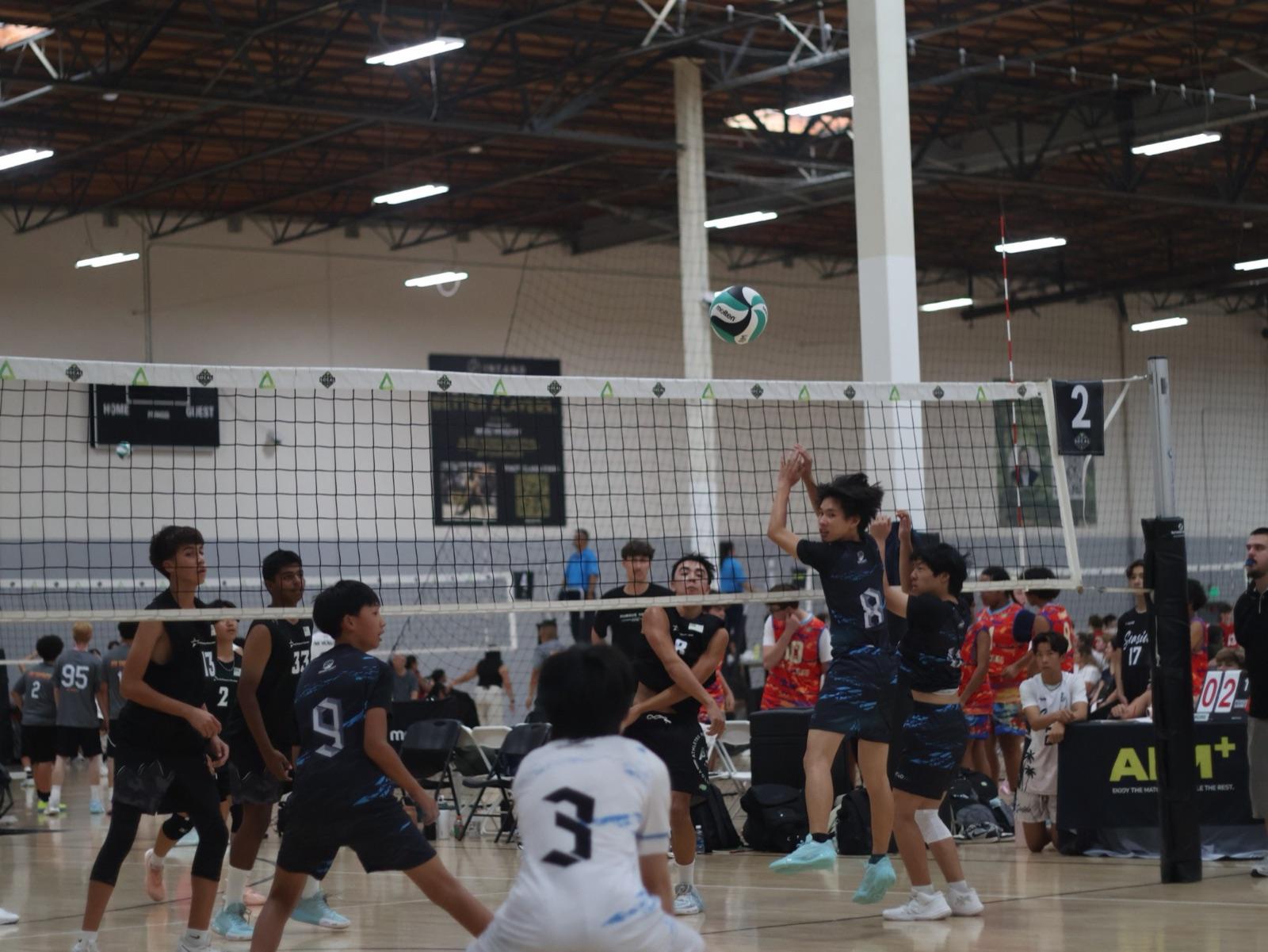
A parent emailed us this week about Thanksgiving break. Her son plays high school ball, he's an outside, and she wanted training on serving and hitting. It's a request we see a lot. Almost every outside hitter we meet wants to work on the swing.
The swing matters. When we watch a young outside struggle in a match, the swing is rarely the reason.
Outsides pass first
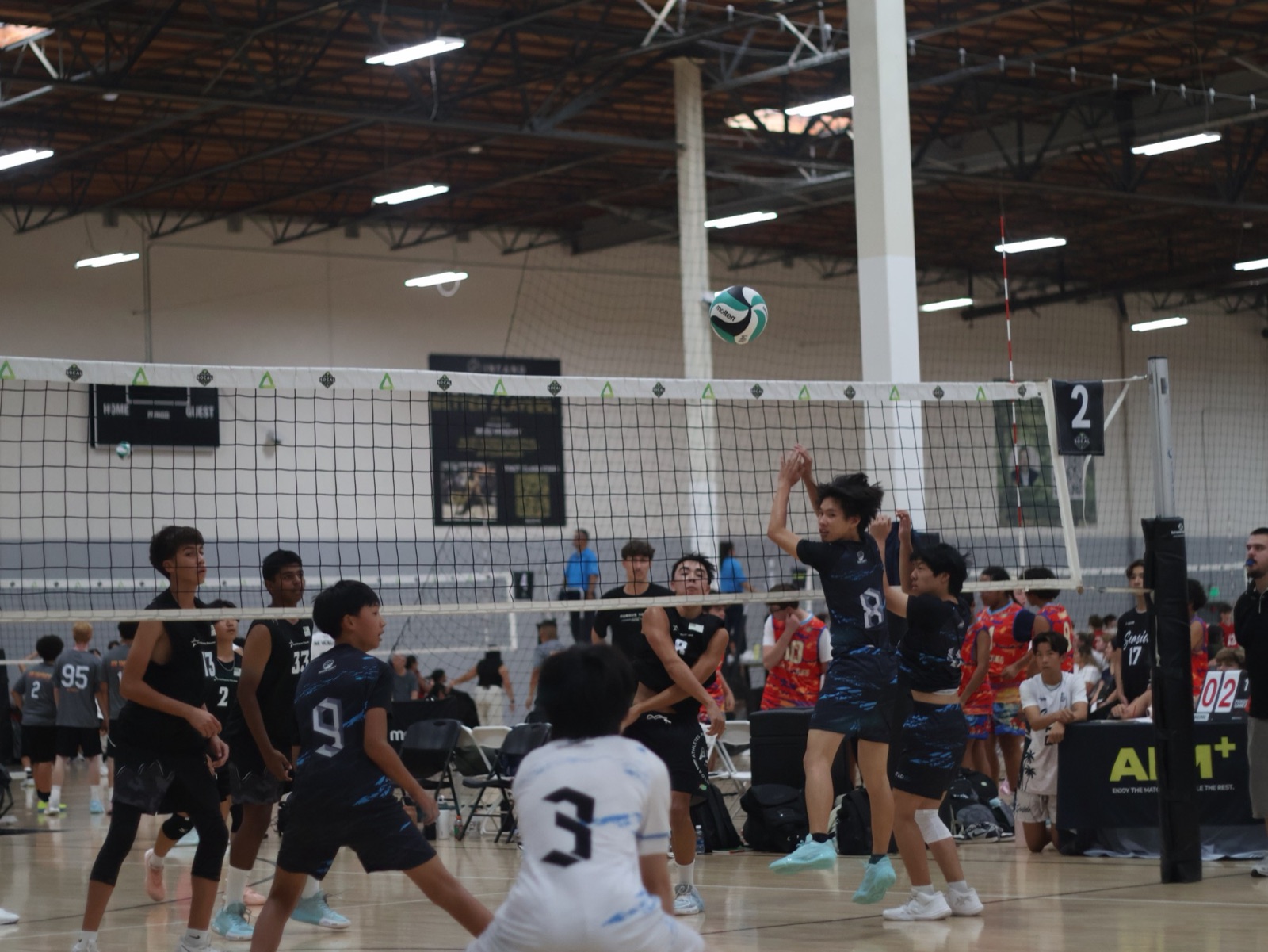 Every swing an outside takes has to get past this.
People picture an outside hitter as the kid who gets set and crushes it. In a real rally, the same player is standing in serve receive a few seconds earlier, often taking more serves than anyone else on the court. If the pass is bad, the setter is running, the set comes off the net, and the swing everyone practiced never gets a fair chance.
So the first thing we look at with any outside is the platform. Can they get to the ball and stop it moving before they pass? Do their arms stay quiet or do they swing at it? Is the ball reaching the setter at a height the setter can work with?
A 14 year old who passes well and hits average will usually play more than one who hits hard and passes poorly. Coaches can hide a weak hitter for a rotation. They can't hide a weak passer, because the other team's server will find them.
The approach does most of the work
Once the pass is up, look at the feet. A lot of young outsides start their approach too close to the net, too early, and then have to jump straight up or drift under the ball. You lose power. You also lose the ability to see the block.
We spend a surprising amount of time on where the hitter starts. Back off the net. Wait for the set to leave the setter's hands. Then go. The last two steps should be quick and should turn into a jump that goes up, with a little forward travel, so the hitter meets the ball in front of the hitting shoulder.
Kids hate this part because it feels slow. It's three steps and a jump. But when the timing clicks, the same swing hits a lot harder, and it's usually the approach that changed.
Arm swing, kept simple
For the swing itself we keep it plain. Both arms go up and back on the jump. The hitting elbow stays high. Contact is on the top and back of the ball with an open hand, and the wrist finishes over it so the ball goes down into the court.
The common fault at younger ages is a low elbow. It turns the swing into a push. If you film one practice on a phone, you'll usually spot it in about two seconds.
Hitting harder is a late skill
Here's where we disagree with a lot of kids. A developing outside should be trying to put the ball where the other team doesn't want it. Burying every swing comes later.
That means learning a few options. Line and angle. A roll shot into the middle of the court. A tip over the block when it's set tight. Using the block's hands to tool it out of bounds. A hitter who can do four things is much harder to defend than one who can do one thing loudly.
A 15 year old who reads the block and makes a smart choice is worth more to a team. The one who hits it hard into the net gets subbed. Power comes with strength and time. Shot selection has to be taught.
Serving
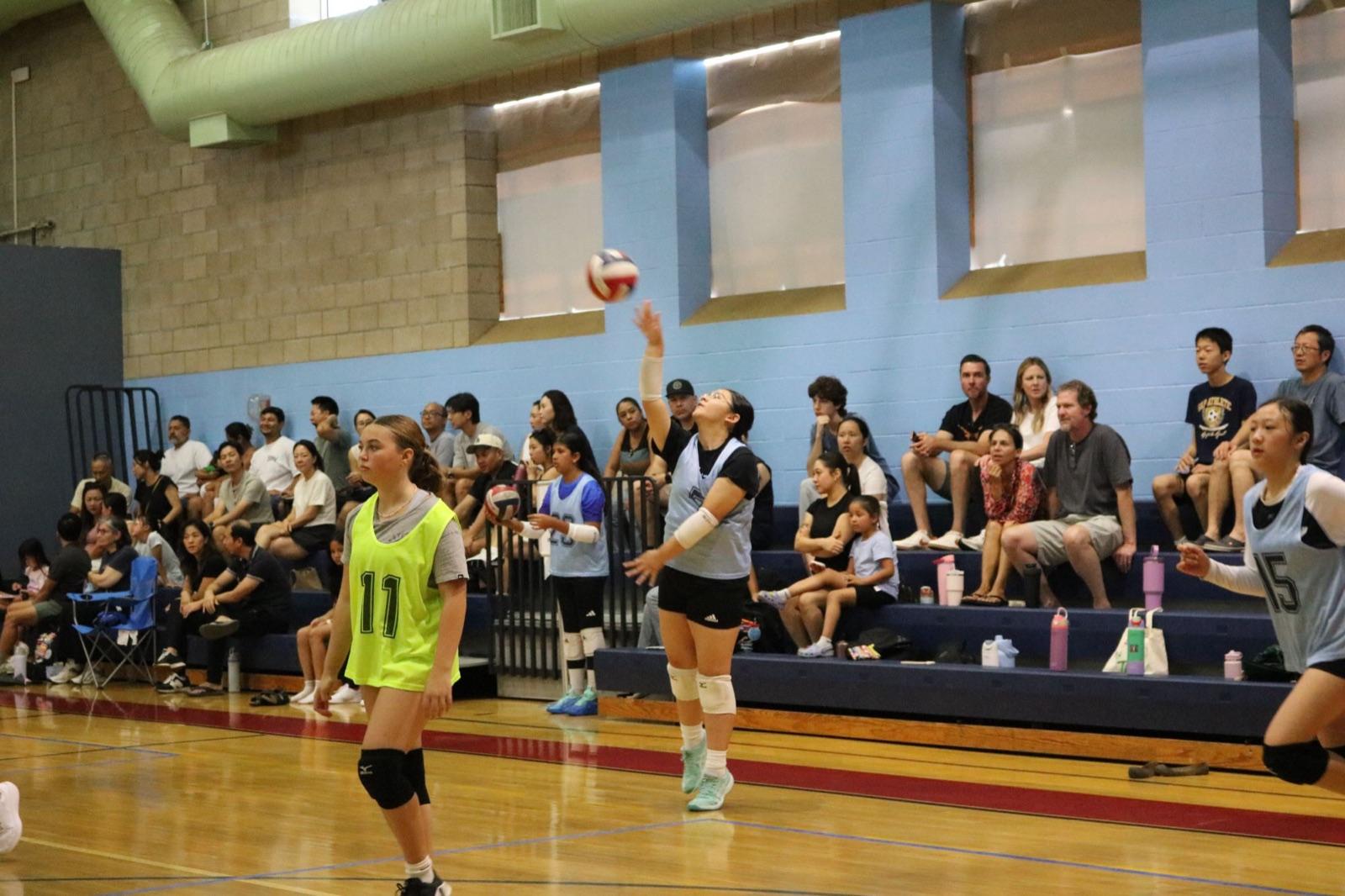
Outsides serve every rotation like everyone else, and a consistent serve keeps them on the floor. For most players between 12 and 16 we push one reliable serve before anything fancy. Pick a target zone and hit it again and again. The jump serve can wait until the standing serve stops missing.
What a good week of training looks like
If your player gets a week off school, here's roughly how we'd split it for an outside:
- Serve receive reps every day, ideally against live serves from a teammate.
- Approach footwork, sometimes without a ball at all, until the timing feels automatic.
- Hitting off real sets, with a target and a shot to call before the swing.
- Twenty or thirty serves to a zone, counted.
Keep sessions short and sharp. Ninety minutes of focused work beats three hours of a tired kid swinging badly. And let them rest a day. Shoulders on young hitters get sore fast, and soreness that doesn't settle with rest is something to have a doctor look at.
Where to get the reps
Our weekend clinics run passing, serving and hitting every session, with players grouped by level so an outside gets swings against kids their own age. If your player has one specific thing to fix, like the approach or a low elbow, a few private training sessions are the fastest way to get it sorted, because a coach can watch every rep.
Either way, start with the pass. The hitting gets better after that. It nearly always does.
Train with us
Weekend clinics, camps, club teams and private training across Orange County, ages 8 to 18.
Find a program