Club Tournament Day: Food, Sleep and Surviving the Long Wait
A club volleyball tournament can run from early morning into the evening, with long gaps between matches. How to feed your player, get them to bed the night before, and keep them fresh for the last match of the day.
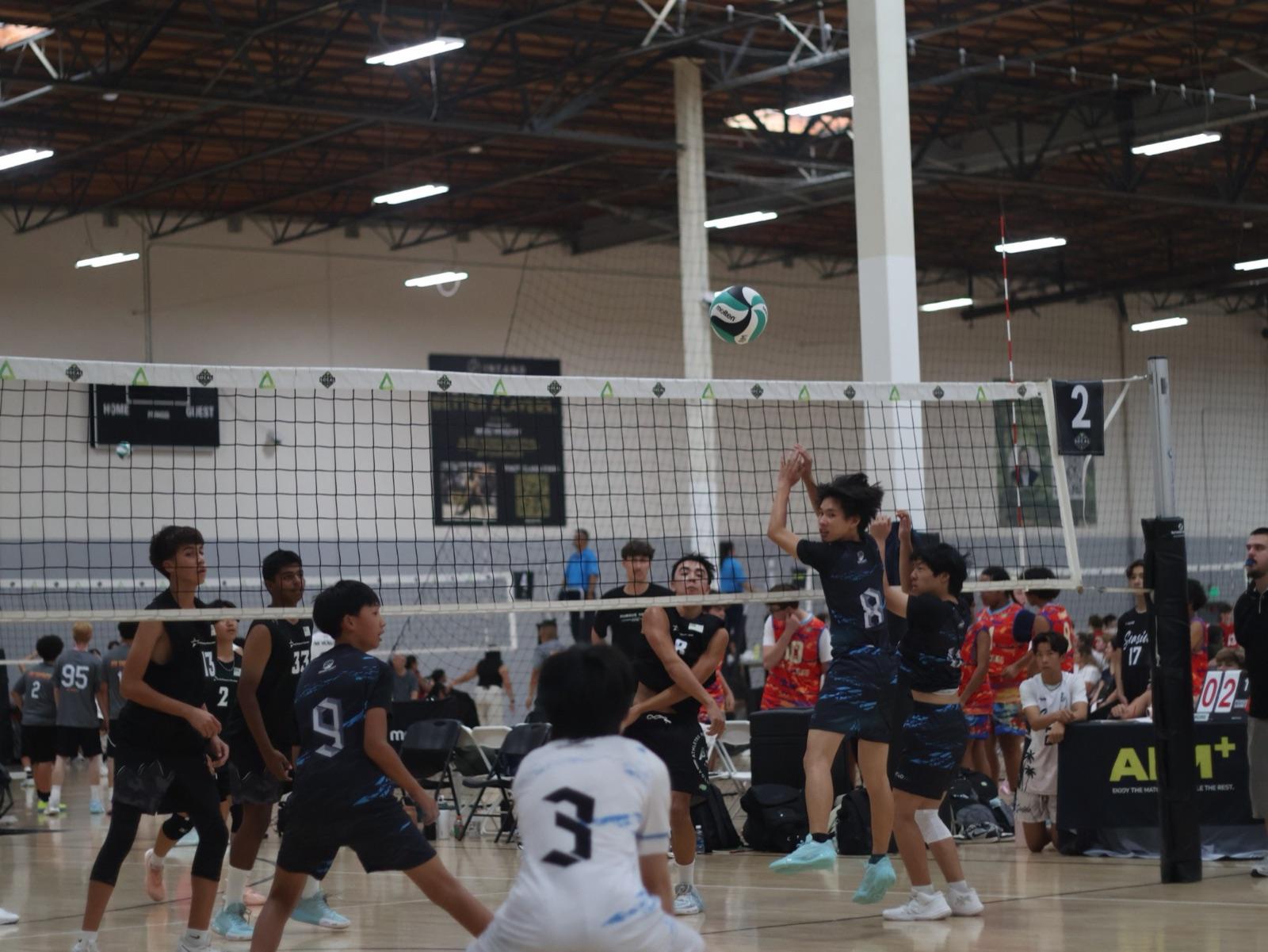
The first club tournaments of the season are close for a lot of our families. If you've never been to one, the part nobody warns you about is the clock. Your player might play at 8am, sit for three hours, work a match as the line judge, then play again at 2pm. Some days there's a playoff round after that.
The kids still playing well at the end of that day tend to be the ones who ate something, drank water all morning and didn't spend the gap lying on a concrete floor staring at a phone.
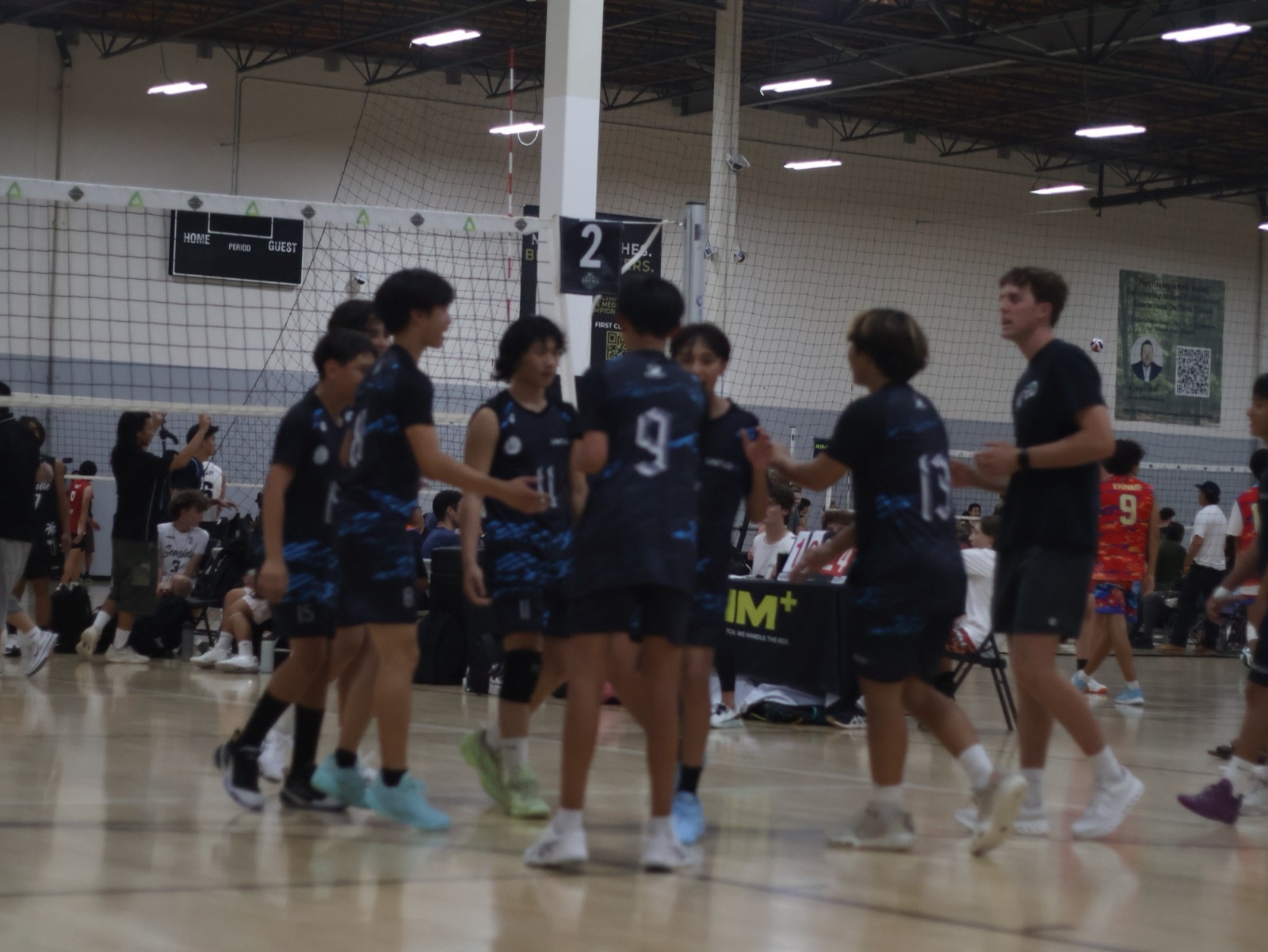
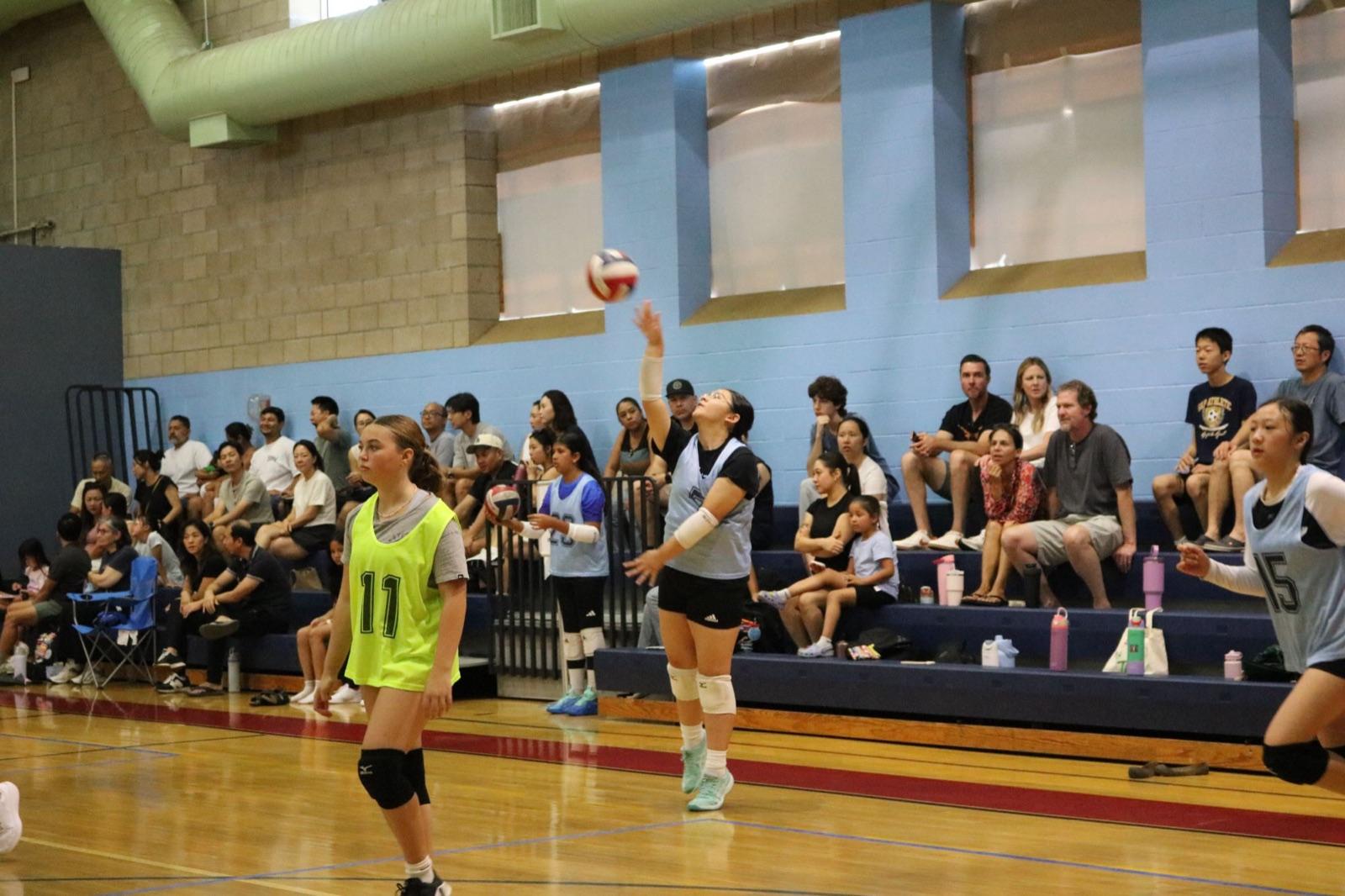
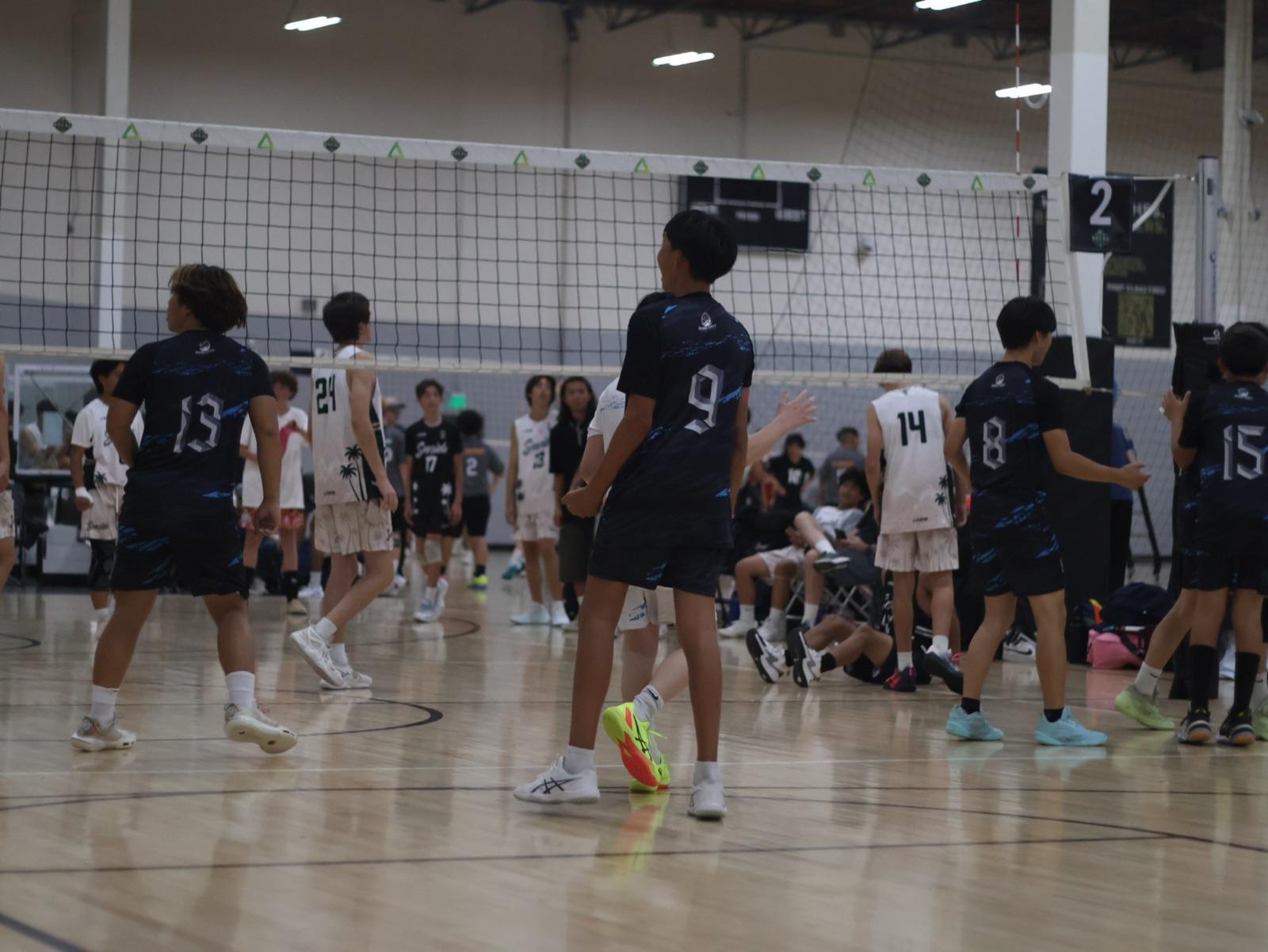
The match is the short part of a tournament day. Most of the day happens between these moments.
The night before
Sleep is the one thing you can't fix on the day. A tired 13-year-old will pass fine in warm-ups and fall apart in the third set.
Work backwards from the check-in time. If the team has to be in the gym by 7:15 and the venue is an hour away, that alarm is early. Pick a bedtime that gets them enough sleep and hold it, even on a Friday. Screens off a bit before, too. We've seen plenty of players show up having stayed up texting teammates about the tournament. Nerves are normal. Scrolling doesn't help them.
Pack the bag the night before. Morning scrambles for a missing jersey start the day badly for the whole car.
Dinner should be something your kid already eats and likes. Tournament eve is a bad night to try a new restaurant or a spicy dish they've never had.
Breakfast
Players skip breakfast because they're nervous or because it's early. Then they're starving by the second match, and the snack bar is selling nachos.
Something simple and familiar works. Oatmeal, toast with peanut butter, eggs, a banana, yogurt. Whatever your family normally eats on a school morning is usually fine. If your player's stomach turns when they're nervous, a smaller breakfast plus a snack in the car is better than nothing at all.
Food for the gaps
This is where most families get caught out. You'll be in a convention hall or a school gym for most of the day, and the food on site is hit or miss. Bring a cooler.
What we see working in our gyms:
- Sandwiches or wraps cut into halves, so they can eat a bit at a time
- Fruit that travels well, like bananas, grapes, oranges and apple slices
- Crackers, pretzels or rice cakes
- Cheese sticks or a small tub of hummus
- Plenty of water, plus a sports drink for a long, hot afternoon
Small and often is the idea. A full plate of pasta twenty minutes before a match sits like a brick. A few bites of a sandwich right after a match ends, then a piece of fruit an hour later, keeps them going without slowing them down.
Keep the heavy, greasy stuff for the drive home. Your player's earned the burger by then.
Water, all day
Gyms get warm when there are a dozen courts running and a few hundred people inside. Kids forget to drink because they're busy talking. A full water bottle at check-in that's still full at lunch is a problem.
A refillable bottle with their name on it helps, since a court full of identical black bottles is a mess. Check it between matches. If it hasn't moved, hand it to them.
Cramping late in the day and headaches are both worth paying attention to. If your player feels unwell, gets dizzy or has pain that doesn't settle, tell the coach and get them seen by a doctor. Nobody needs to play through that.
The long wait
Gaps between matches are hard on young players. Sitting still for two hours makes legs stiff, and it's easy to lose focus.
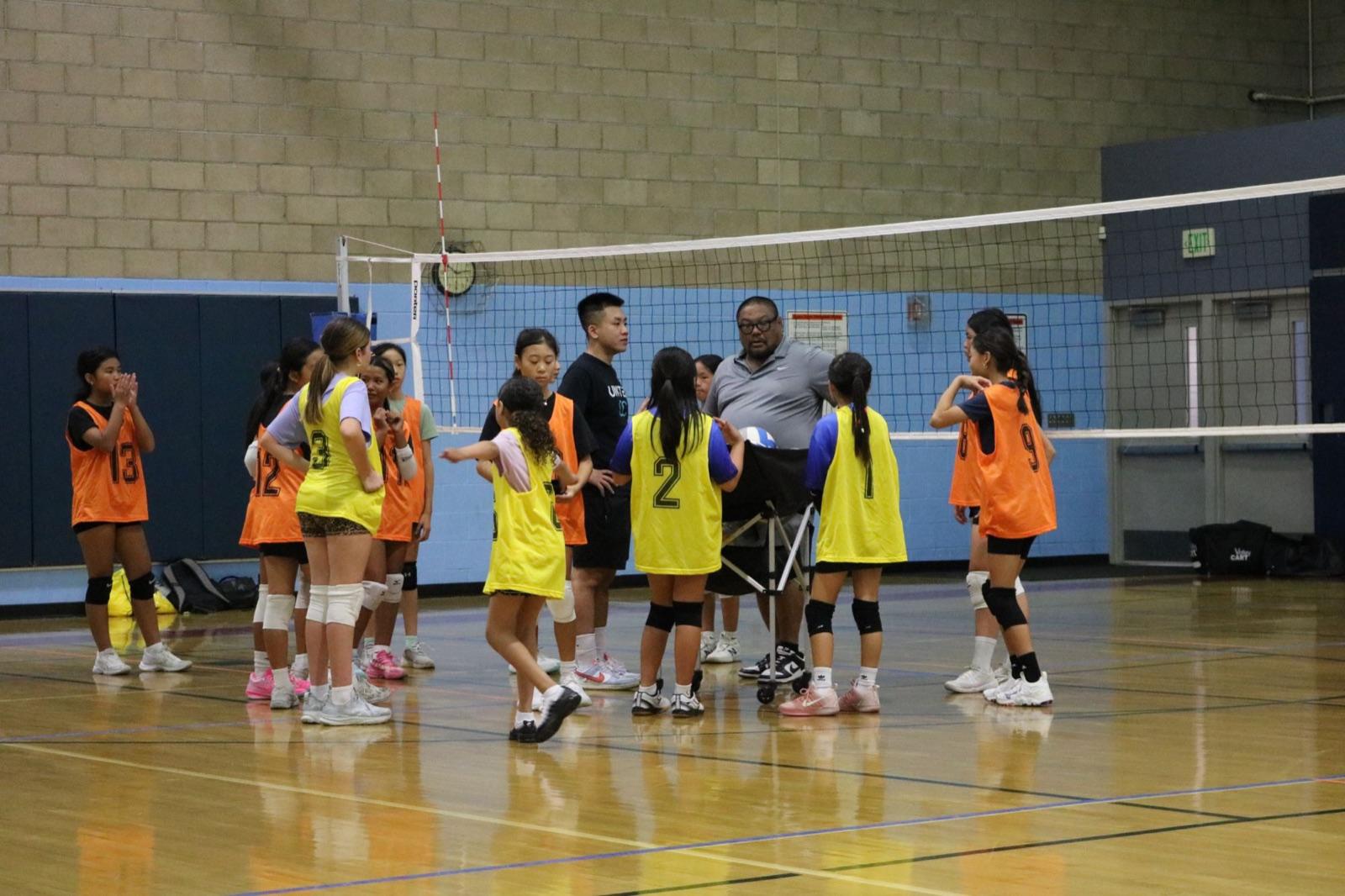
A few things help. Stay with the team where the coach can find everyone. When it's close to the next match, get up and move: a walk, some light stretching, a few minutes of passing against a wall if there's room. Coaches will usually run a short warm-up, and players who are already loose get more out of it.
A book or a card game is a fine way to pass the gap. A deck of cards gets a whole team laughing. Be careful with the phone, though. Two hours of scrolling and a player walks back on court half asleep.
After the last match
Win or lose, food and water first. A real conversation about how it went can wait until everyone has eaten. Most kids are too tired or too wound up to talk about it right then, and the car ride home goes better if nobody's replaying every missed serve.
The next morning, let them sleep in if you can. Sore legs are normal after a long tournament. Light movement and a quiet day help more than lying on the couch. If one spot is still sore a few days later, or it hurts when they jump, have it checked before the next practice.
A short checklist for the car
- Uniform, knee pads, court shoes and a spare pair of socks
- A warm top for cold gyms
- Water bottle with their name on it, plus extra water in the cooler
- Food for the whole day, in small portions
- A folding chair for you, because venue seating runs out
- Something for the gaps that isn't a screen
If your player is new to club this season, our post on the first month of club volleyball covers what to expect from practices and the first tournament result. And if you've got a question about tournament days we haven't answered here, send it through the contact page. It might end up in the next post.
See you at the gym.
Train with us
Weekend clinics, camps, club teams and private training across Orange County, ages 8 to 18.
Find a program