The First Month of Club Volleyball: What Parents Should Expect
Club practices have just started. Why the first few weeks look rough, how a team takes shape, what changes at home with three practices a week, and when to talk to the coach.
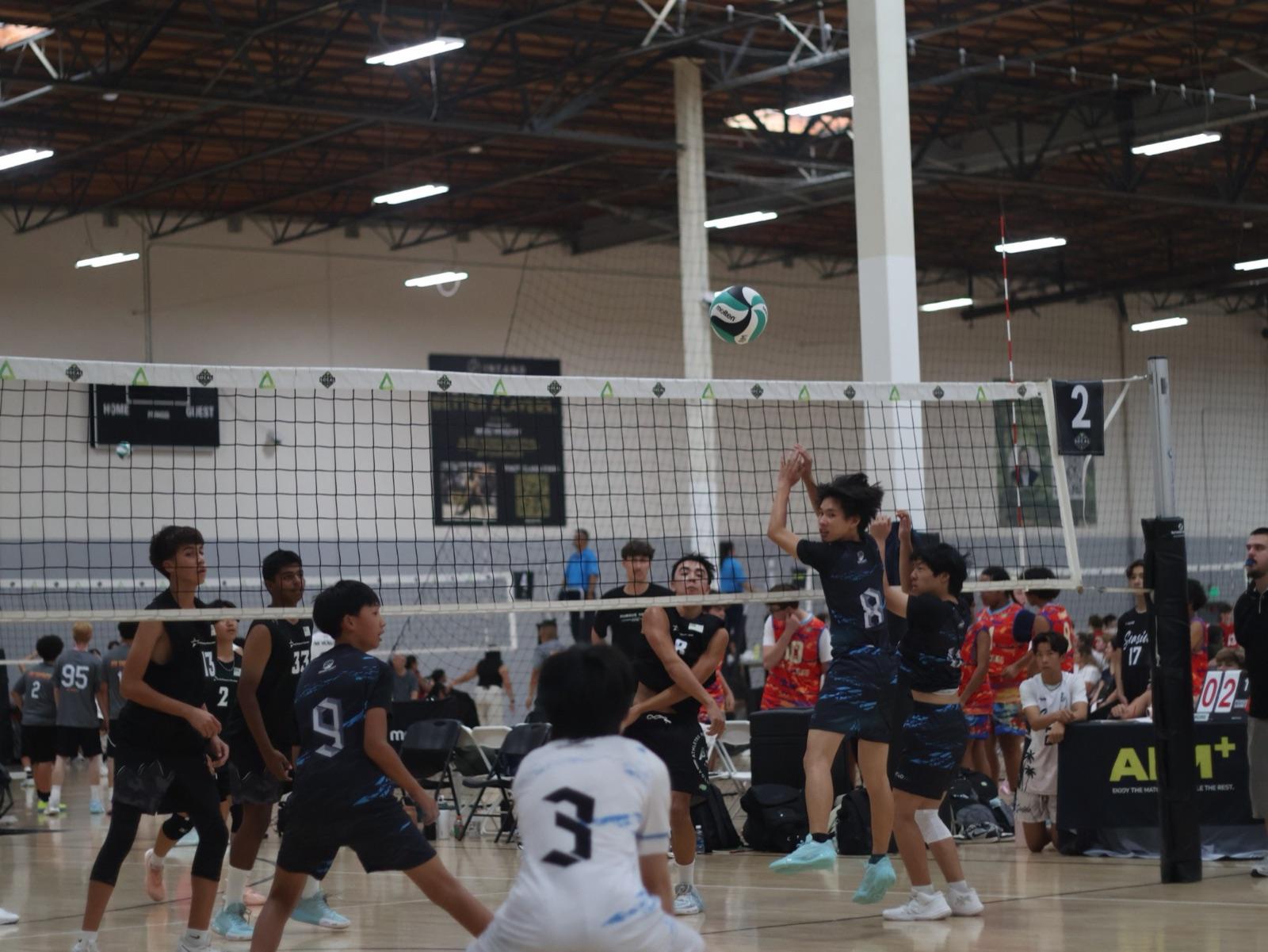
Club practices started this week for a lot of Orange County teams, ours included. And every November the same thing happens. A parent sits in the bleachers for the first practice, watches a serve hit the bottom of the net, and wonders what they've signed up for.
We get it. Here's what the first month usually looks like from our side of the gym.
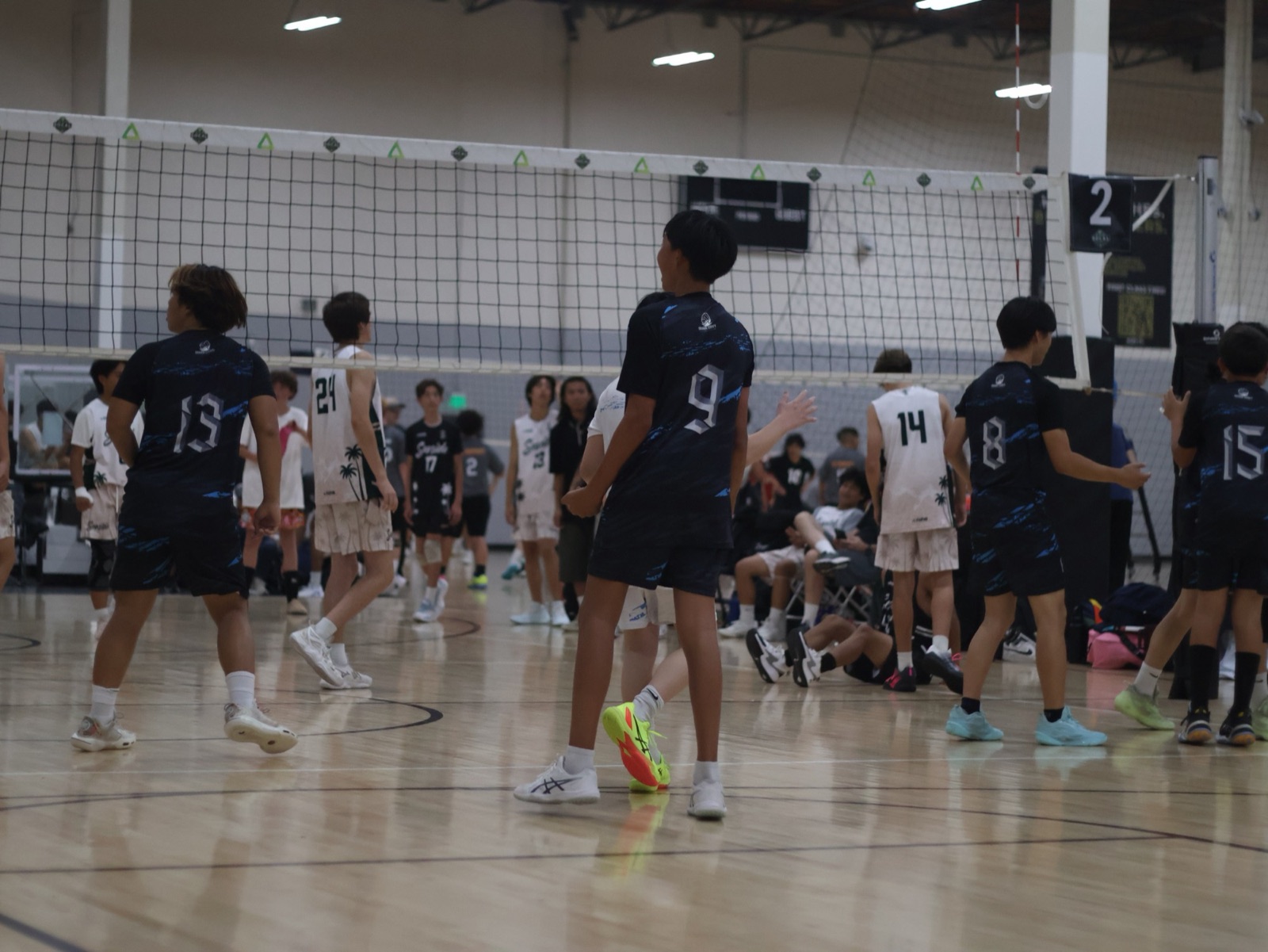
Teams that look nothing like a team in November are slapping hands by spring.
Practice one is the worst it'll look
The first session of a club season is the least representative practice of the whole year. Half the kids have never played together. Some are coming off a high school or middle school season and are tired. Others haven't touched a ball since summer. A few are nervous enough that their arms forget how to pass.
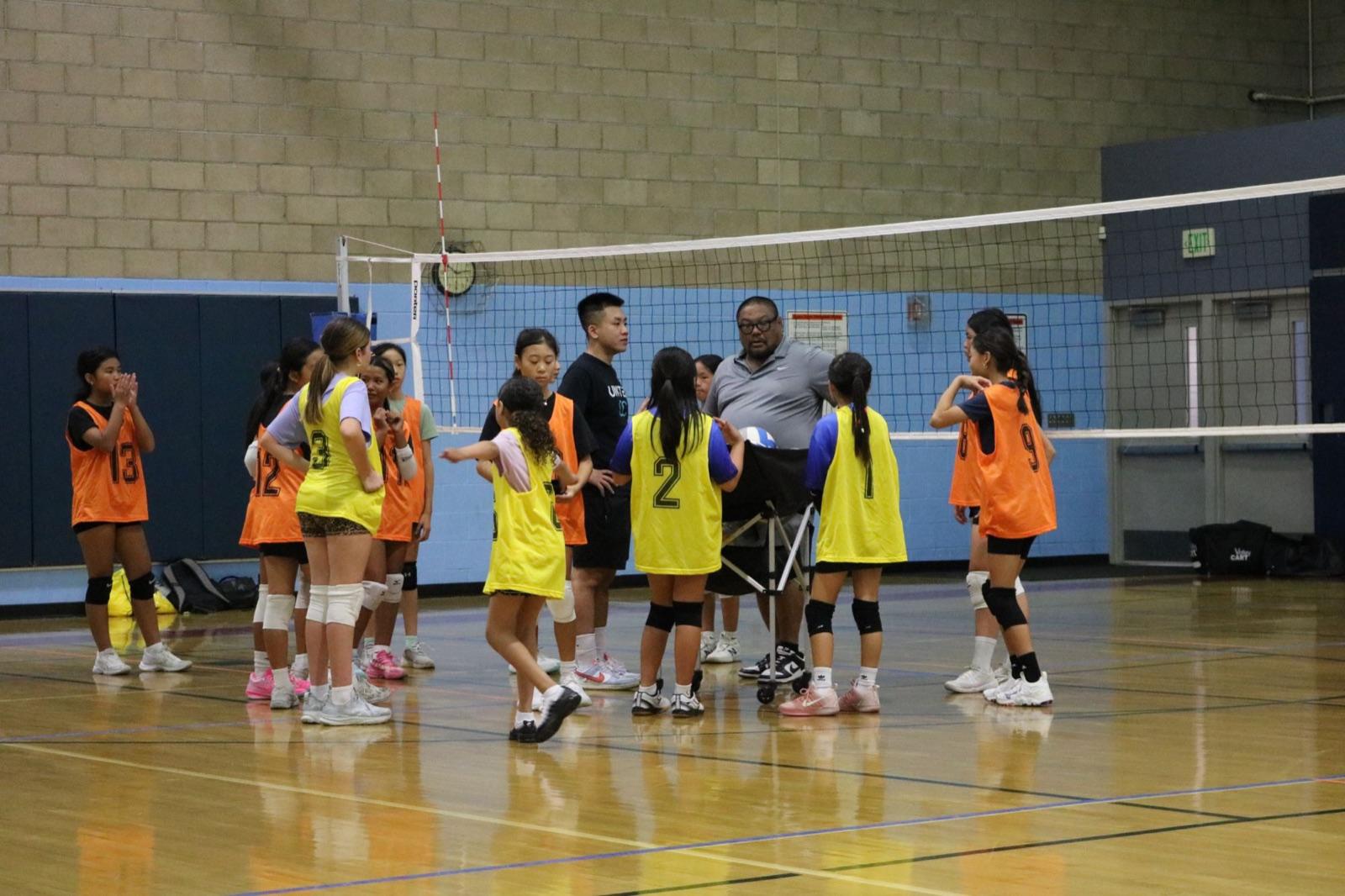
Coaches know this, so early practices tend to be about watching. Who reads the ball early, and who gets frustrated after a mistake versus who shrugs and goes again. A lot of what looks like basic, slow drilling in week one is a coach figuring out where each player is before deciding what the group needs.
Give it four or five practices before you form a view. If you still have a concern after that, you'll have something specific to ask about.
Every roster has a range
No club team is twelve copies of the same player. Even a top team at a big club has kids who are ahead in some skills and behind in others, and kids who hit a growth spurt in August and are still learning where their own feet are.
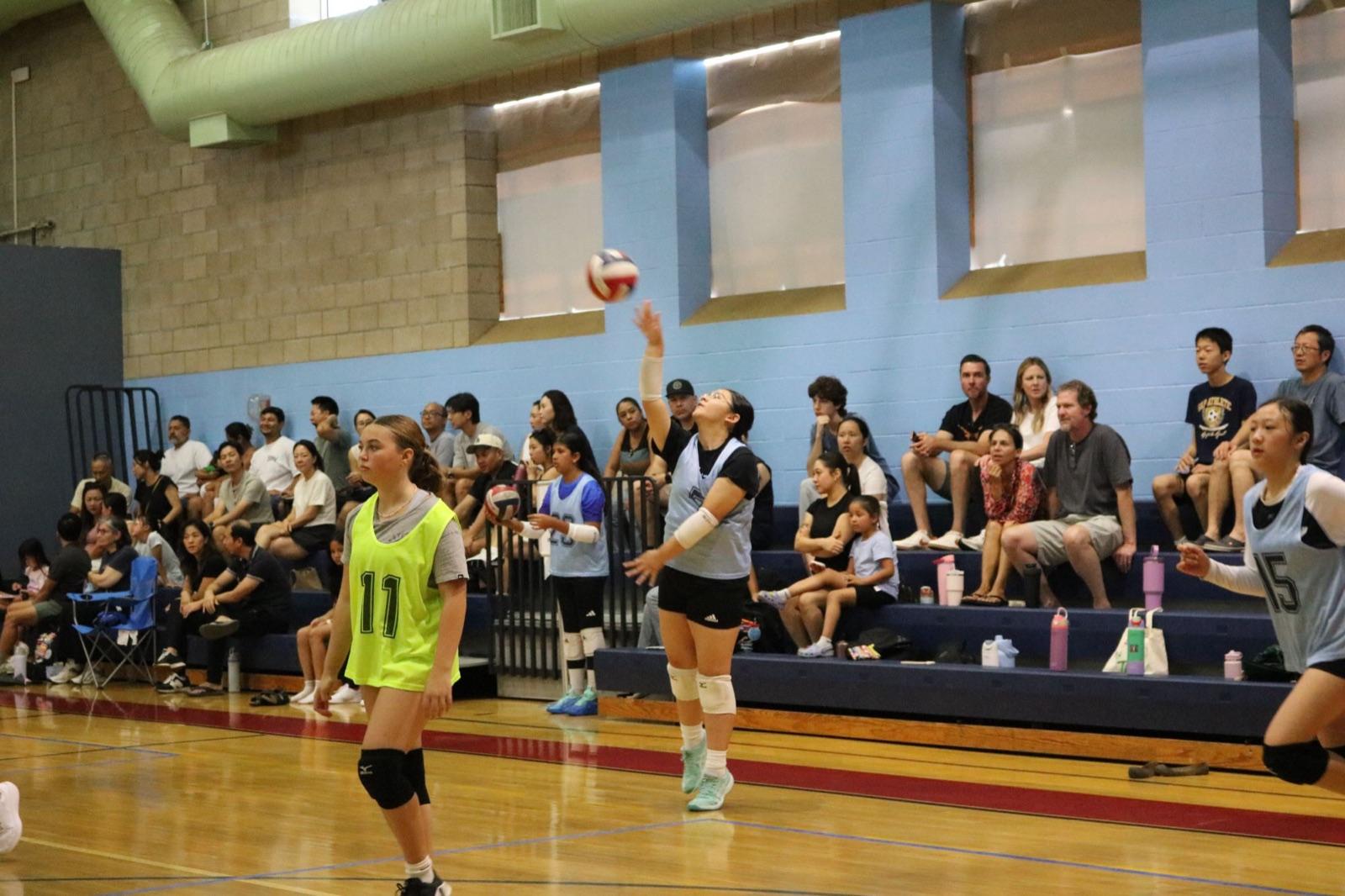
Within a team you'll see a spread. One kid serves overhand with pace, the next is still working on a consistent underhand toss. That's normal at the youth level, and it's one reason club practice exists in the first place. The gaps close fastest in the first two or three months, because that's when the reps add up.
If your player is one of the stronger ones, they'll get plenty out of it too. Being the one who has to call the ball and stay steady when a rally falls apart is its own kind of training.
Three practices a week is a lot
Our club season runs roughly 33 weeks with three practices a week. For a kid coming from school ball or weekend clinics, that's a big jump, and the first month is when families find out how the schedule fits around school nights.
Some things that help:
- Pack the bag the night before. Knee pads, shoes, water bottle, a snack for the car.
- Eat something real an hour or two before practice. A granola bar in the parking lot doesn't carry anyone through two hours of jumping.
- Plan for homework on practice nights. Kids who get it done before practice sleep better after it.
- Keep bedtime the same on practice nights as on any other school night, even if they get home wired.
Expect your player to be sore for the first couple of weeks. Legs and shoulders mostly. That should fade as their body gets used to the load. If one spot keeps hurting, or it hurts more as the weeks go on, get it looked at by a doctor and let the coach know.
The first tournament
Most teams play their first event within a few weeks of starting practice. It can be a shock. The days are long. Some of the teams you'll face look much further along, and it's easy to read too much into that.
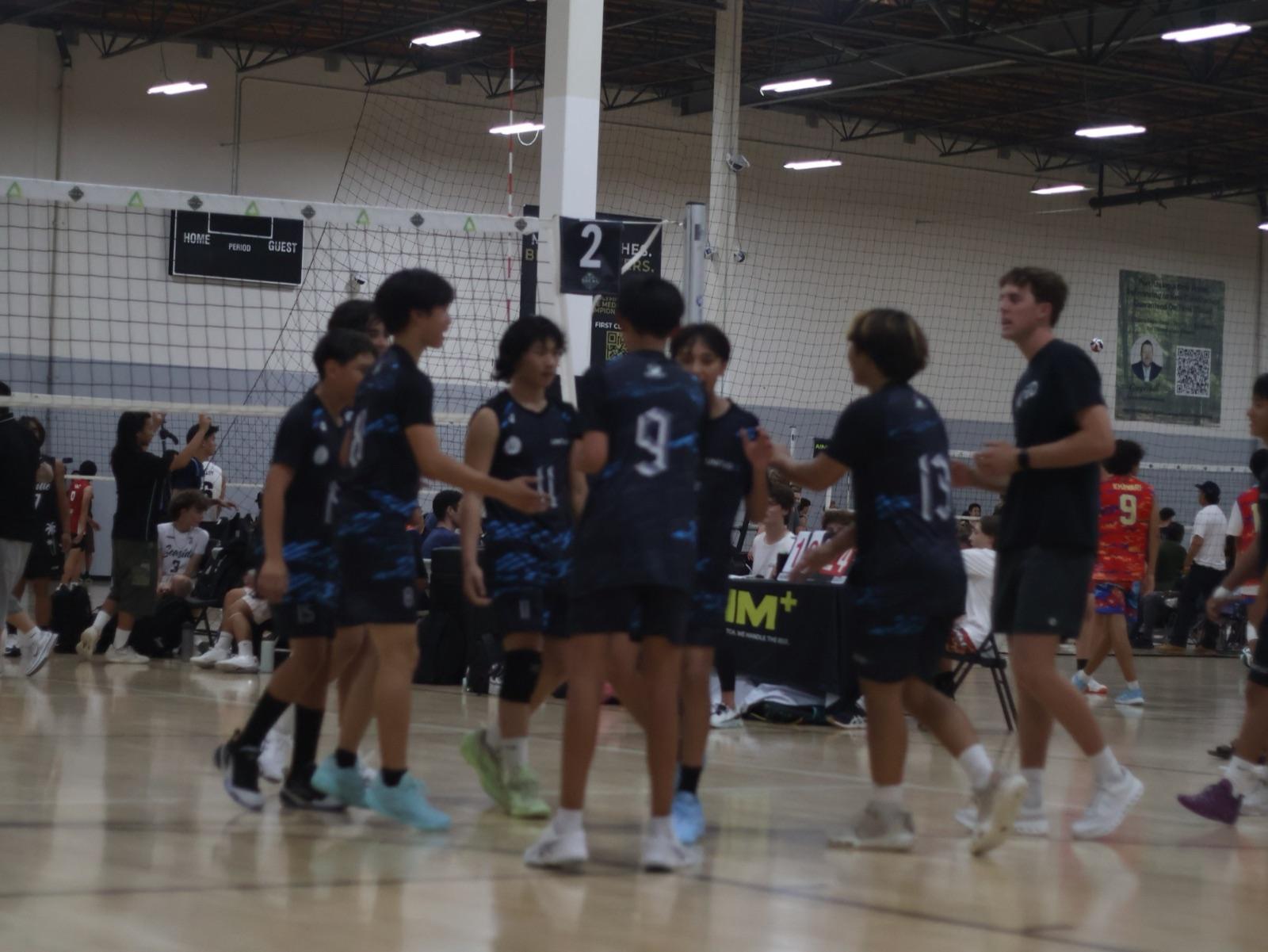
Losing early matches in the first tournament is nothing to panic about. A November loss tells you very little about where a team will be in April. What we look for is whether a team is better at the end of the day than at the start. Fewer missed serves in the third match. Kids talking more. That's the progress that counts in month one.
On the drive home, ask what they had fun with before asking how they played. You'll hear more.
When to talk to the coach
Coaches want to hear from parents, within reason. Here's roughly how we'd sort it.
Talk to the coach about schedule conflicts, injuries, anything going on at home that's affecting your player, or a question about what your kid should be working on. Those conversations help.
Hold off on playing time and position questions for the first few weeks. Rotations and lineups move a lot early in a season, sometimes every practice, while the coach works out combinations. A kid who's sitting more in November can be starting by February.
Never have that conversation right after a match, in the gym, in front of players. Wait a day. Send a short email or ask for a few minutes before the next practice. Everyone's calmer and the answer is better.
And if something still doesn't sit right after you've spoken with the coach, you can always reach our office through the contact page.
What you can do from the bleachers
Cheer for the whole team. Clap for the kid who dug the ball as loud as the kid who put it away. Leave the coaching to the coaches, because a player hearing two sets of instructions at once ends up following neither.
Let your player own it, too. Let them carry their own bag. When they're going to miss a practice, have them tell the coach themselves. Club volleyball is a long season, finishing the first week of July 2027 depending on the end-of-year tournament, and the kids who stick with it are the ones who feel like it's theirs.
If you're still deciding whether club is the right step, our post on how to choose a volleyball club in Orange County walks through what to look for. And for players who want extra touches on top of practice, our weekend clinics run Saturdays and Sundays across the county at $42 a session.
See you in the gym.
Train with us
Weekend clinics, camps, club teams and private training across Orange County, ages 8 to 18.
Find a program