My Kid Wants to Quit Volleyball. Now What?
Most young players say they want to quit at some point, usually in the middle of a hard week. How to tell a bad month from a real decision, what to ask, and when walking away is the right call.
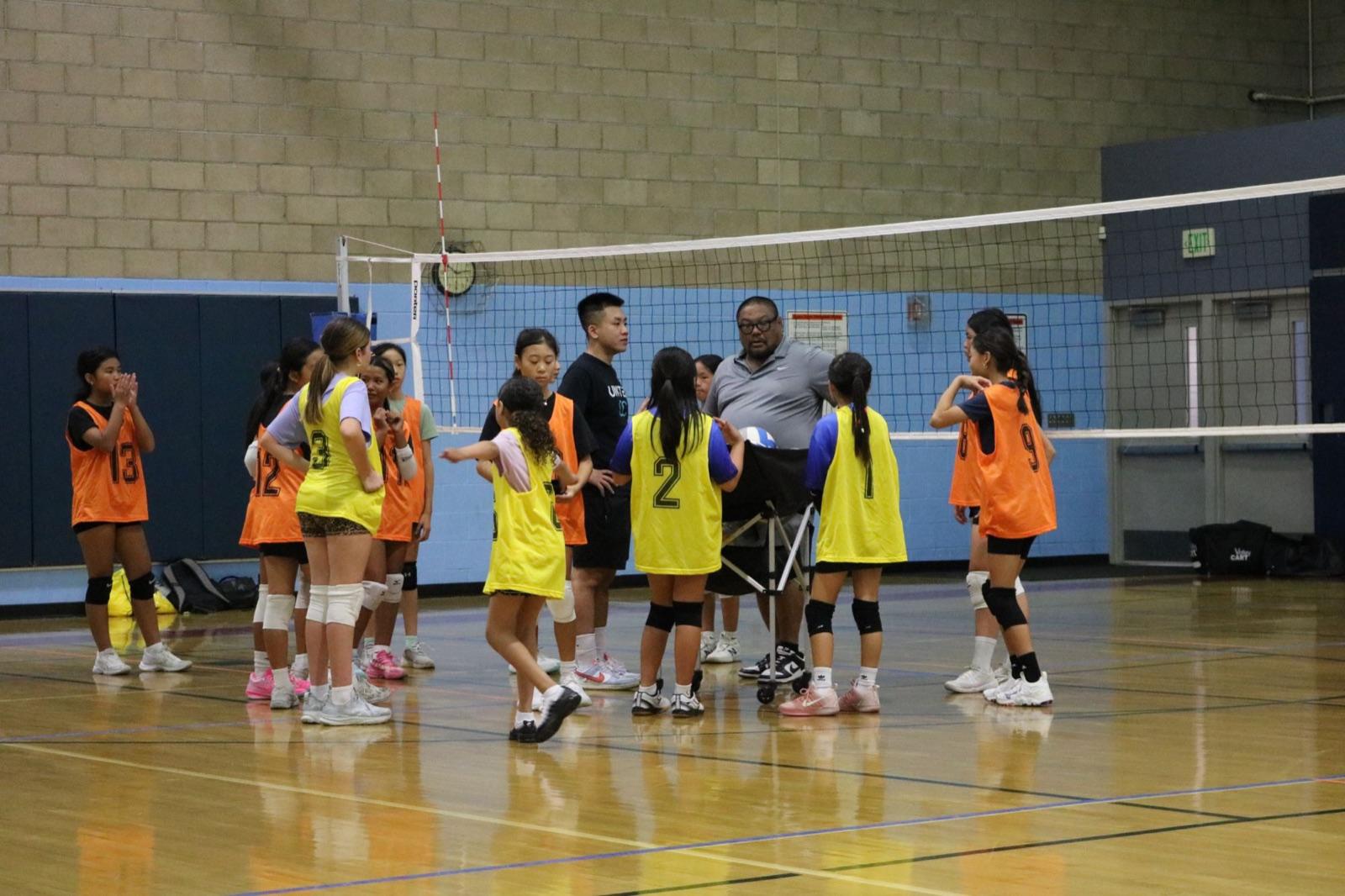
It usually comes out in the car. Practice ran long, they didn't get many reps, somebody else got moved up, and on the drive home your player says it flat out. "I don't want to do volleyball anymore."
You've given up a lot of weekends for this. The first reaction is often a lecture about commitment, and we get why. Hold it for a day.
We've coached a lot of kids through this. Some of them quit, and that was fine. Far more of them were having a rough few weeks and came out the other side still loving the game. The job is working out which one you've got.
Don't decide anything that night
A kid who just had a bad practice isn't making a career choice. They're tired and embarrassed and maybe a bit hungry. Anything you say back, in either direction, lands harder than you mean it to.
Say something short. "Okay, I hear you. Let's talk about it this weekend." Then feed them and let it sit. If the feeling is still there after a couple of calm days, it's worth a real conversation. If it's gone by Thursday, you've learned something too.
Ask what's going on underneath
"I want to quit" is almost never the whole sentence. The rest of it is usually one of a handful of things, and each one has a different fix.
A few we hear a lot:
- They aren't getting much playing time and feel like they don't matter on the team
- A friend left, or the team they're on isn't the one they hoped for
- They're behind the other kids and practice feels like being exposed every week
- Their schedule is packed and volleyball is the thing that got squeezed
- They just like something else more now
Ask open questions and wait for the answers. "What's the worst part of practice right now?" gets you further than "Why would you want to quit?" Kids clam up if they think they're about to be talked out of it.
Some players will tell a coach things they won't tell a parent. That's normal. If your kid is in one of our programs, you can always ask us how they seem in the gym. We see them on the court every week and we'll tell you what we see.
A slump isn't the same as being done
Volleyball has a frustrating stretch built into it. Somewhere between "I can bump a ball back" and "I can play a real rally," a lot of players stall. Their friends seem to improve faster. Their serve that worked in September stops working. It feels like they're going backwards.
That stretch passes. It passes faster when the player gets more contacts and less pressure. A kid who's miserable on a competitive team might light up again in a smaller group where they touch the ball far more often. Our weekend clinics run at a few levels for exactly that reason, so a player can drop into a group where they're not the one struggling.
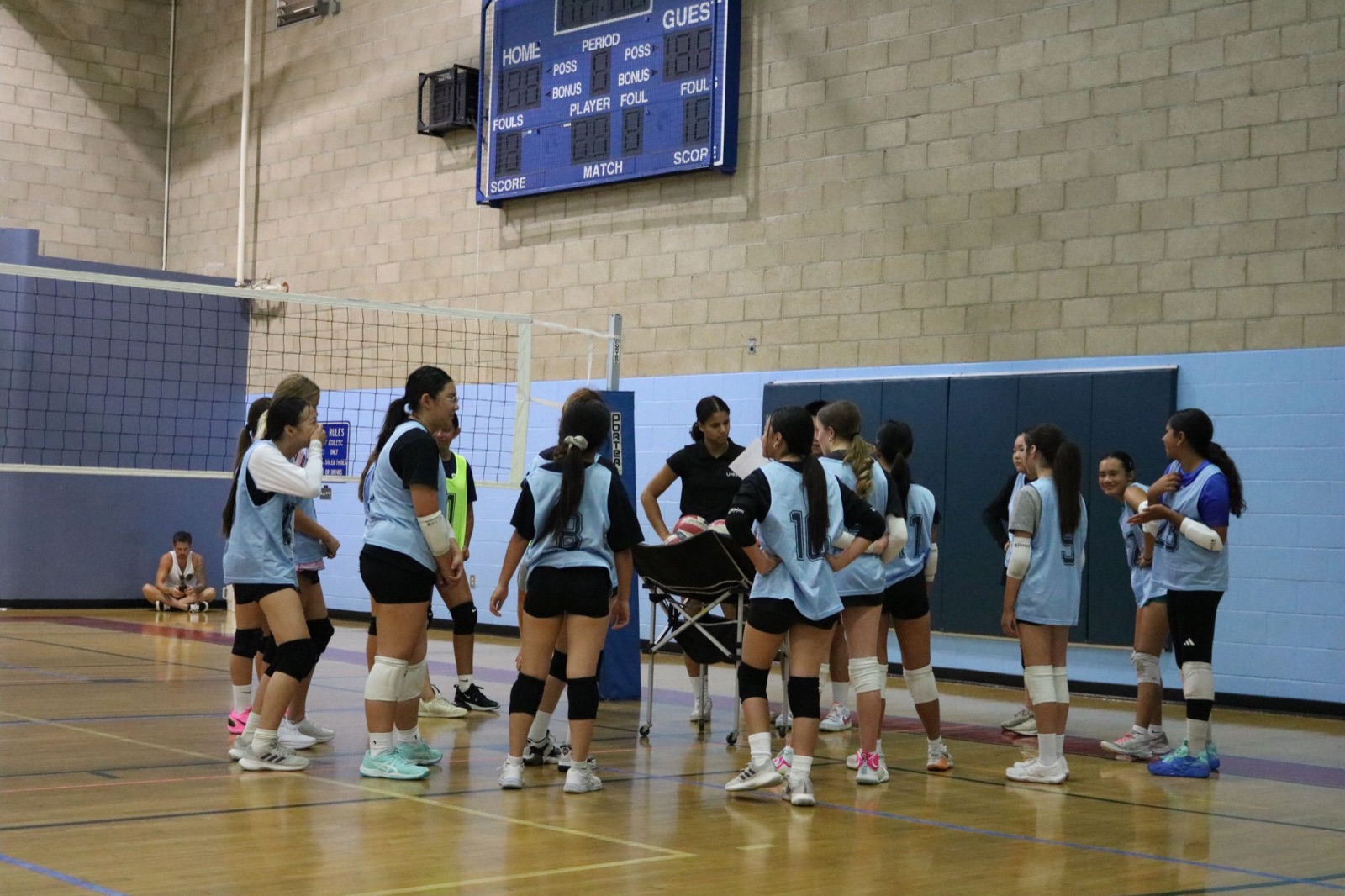
Half the reason most kids stay in a sport is the people in this circle.
If it's the team, talk to the coach
When the problem is playing time or where they've been placed, the most useful thing a parent can do is get their player to ask the coach directly. Something like "What do I need to work on to play more?" Coaches respect that question.
Keep that conversation between player and coach at first. A parent stepping in on day one can make a 13-year-old feel even more singled out. If it doesn't get anywhere, then you get involved, calmly, away from the gym.
Finishing what you signed up for
Plenty of families have a rule that you finish the season you started. We think that's a good rule for most kids. Teammates are counting on them, and learning to see a hard thing through matters more than any single match.
Finishing doesn't mean signing up again. Tell your player that out loud. "You'll finish this season, and then you decide about next year." Most kids can handle a few more months once they know there's an end date. Some of them have a great last month and change their mind.
There are exceptions. If your kid is anxious every day before practice, isn't sleeping, or something's happening on the team that makes them feel unsafe, that's different. Pull them out and don't feel guilty about it. If they're hurt, or something keeps hurting, see a doctor before anything else.
When it's time to let them go
Sometimes they just don't love it anymore. They found theatre or soccer or robotics, and volleyball feels like an obligation. That's okay. A kid who quits at 12 and comes back at 15 because they miss it is a very common story. A kid who's forced to keep going often walks away from sport altogether.
If they do stop, let them leave on a good note. Finish the season if you can, say thanks to the coach, and keep the door open. Never make it a guilt thing.
Something in between
Not every choice is "full club season" or "nothing." A lot of our players take a break from the competitive side and keep playing a session or two a weekend, with no tournaments and no travel. Some come to open gym and just play. That keeps the skills alive and lets them find out on their own if they miss it.
If you're going through this right now and want a second opinion, send us a note through the contact page. We'll tell you what we're seeing and what we'd try next.
Train with us
Weekend clinics, camps, club teams and private training across Orange County, ages 8 to 18.
Find a program