How to Watch a Volleyball Match: A New Parent's Guide to Scoring and Rotations
Your kid just started playing and the bleachers are full of parents who seem to know when to cheer. How scoring works, why players keep shuffling around, and where to look so a match starts making sense.
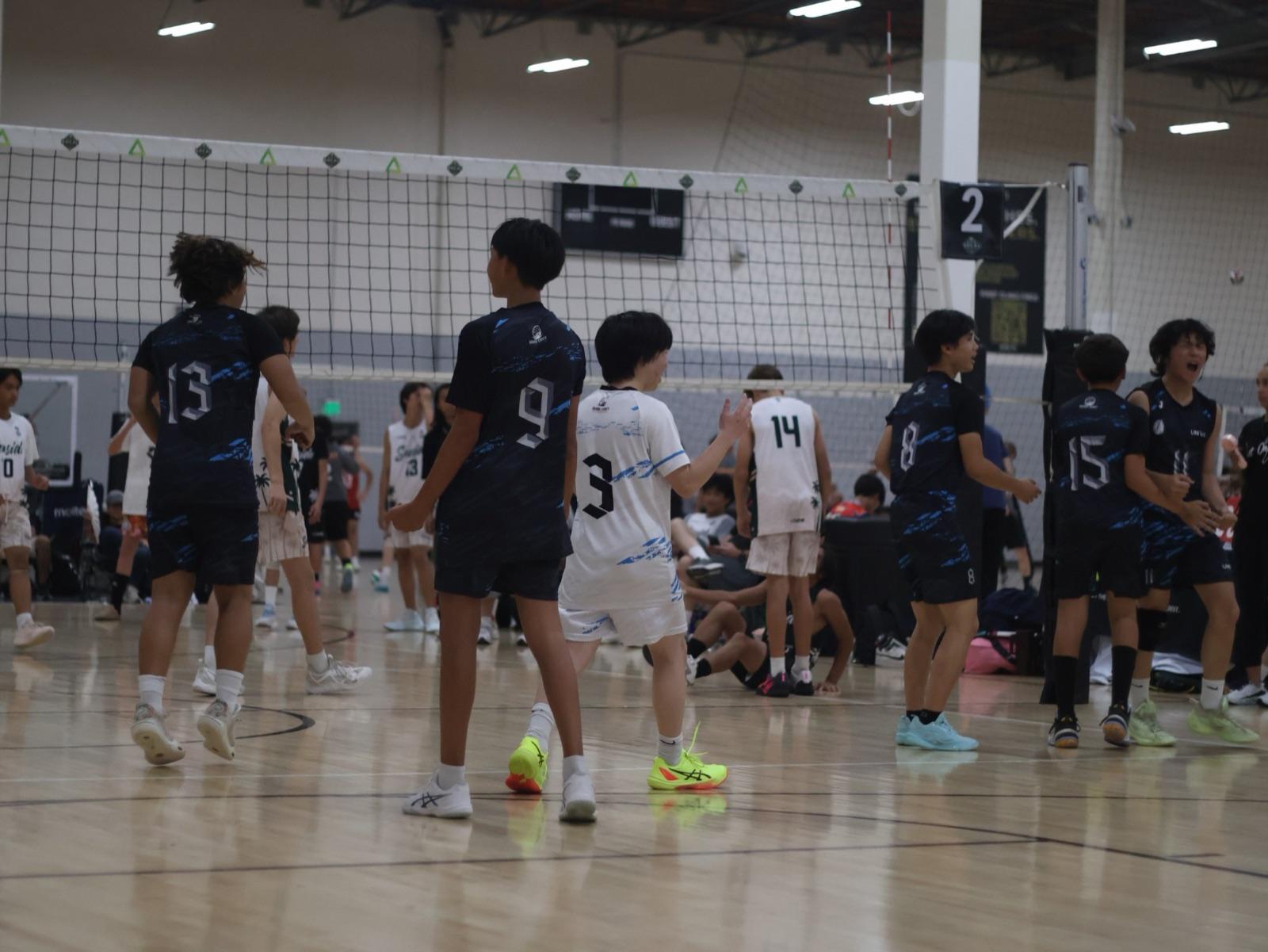
Every season we watch the same thing happen in the bleachers. A parent who's new to the sport claps when the ball hits the floor, then realizes it was our side's floor. Somebody next to them explains. By the second tournament they're the one explaining.
You'll get there fast. Volleyball looks chaotic from the stands, but there are only a handful of ideas underneath it, and once you have those the game slows down.
Every rally is a point
This is the part that trips up parents who grew up with older scoring. In the junior game today, every rally ends with somebody getting a point. It doesn't matter who served. Win the rally, take the point.
Most sets go to 25, and you have to win by two. If it's 24-24 the set keeps going until one team is two clear. When a match goes to a deciding set, that one's usually played to 15. USA Volleyball publishes the official rules of the game if you want the full version.
One warning. Junior tournaments change the format all the time to fit the schedule. A pool might play two sets with no decider, or cap a set so it can't run forever. The event sheet will say. If the scoreboard looks strange, that's probably why, and the coaches already know.
Why they keep moving around
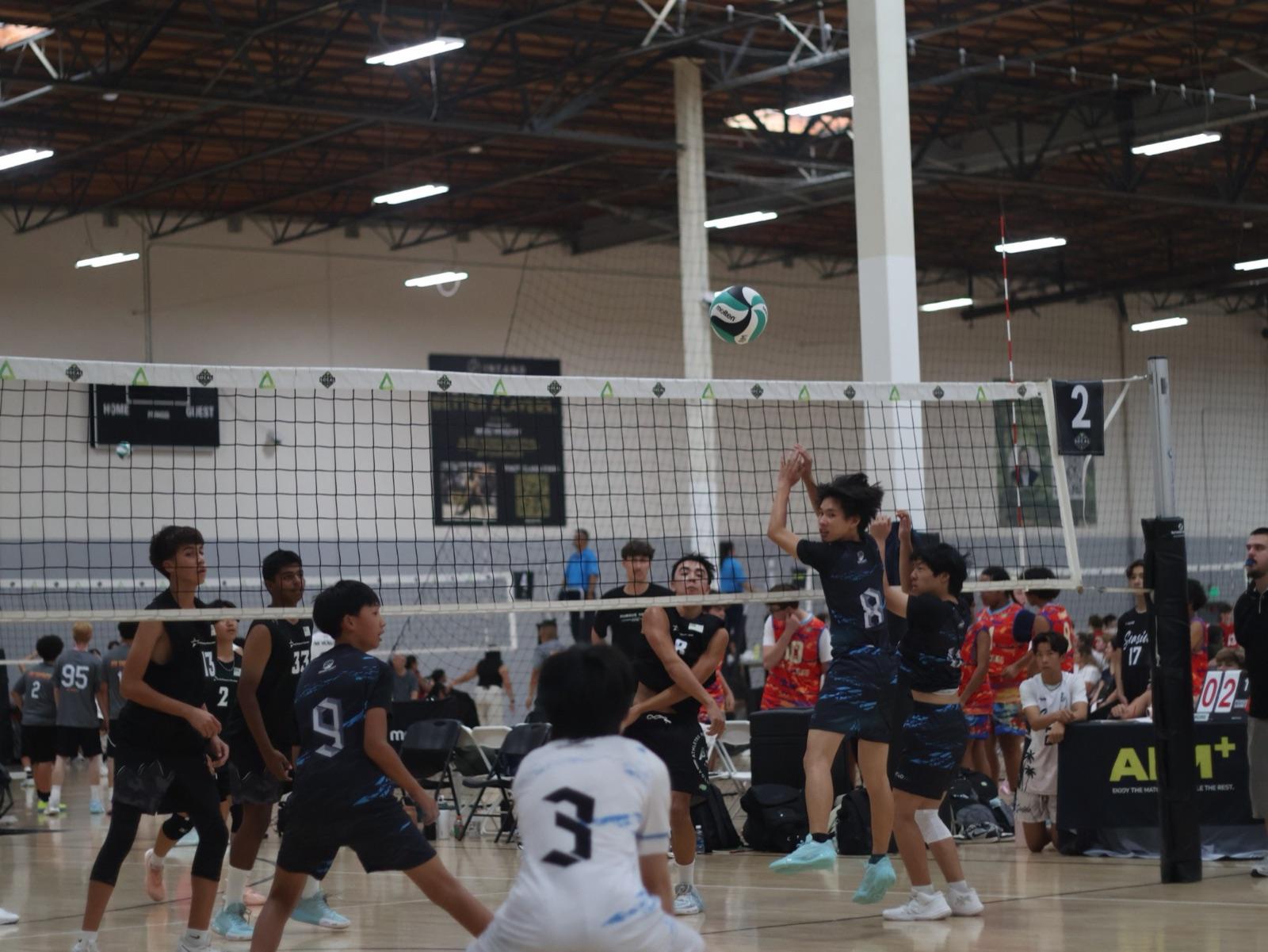
Six players are on the court for each team. Every time a team wins the serve back from the other side, its players rotate one spot clockwise. The player who moves into the back right corner serves next.
That's why your kid is in the front row for a few points and then disappears to the back. They didn't get benched. They rotated.
The front three can block and attack at the net. The back three mostly can't, at least not in front of the attack line. So a team's strength changes as it turns. A coach will tell you a team "can't get out of" a certain rotation, meaning it keeps losing points in one spot. Watch for it. Once you see it you'll start noticing which rotation your team likes.
You'll also see players shift around right after the serve. Before the serve they have to be in their rotation order. After contact they're free to slide over to the spot they really play, like a setter running to the right front or an outside hitter swinging wide. Give it a few matches and you'll start predicting where everyone ends up.
Three touches, and what a good one looks like
Each side gets three contacts to send the ball back. A block doesn't count as one of them. A player can't touch it twice in a row, except after a block.
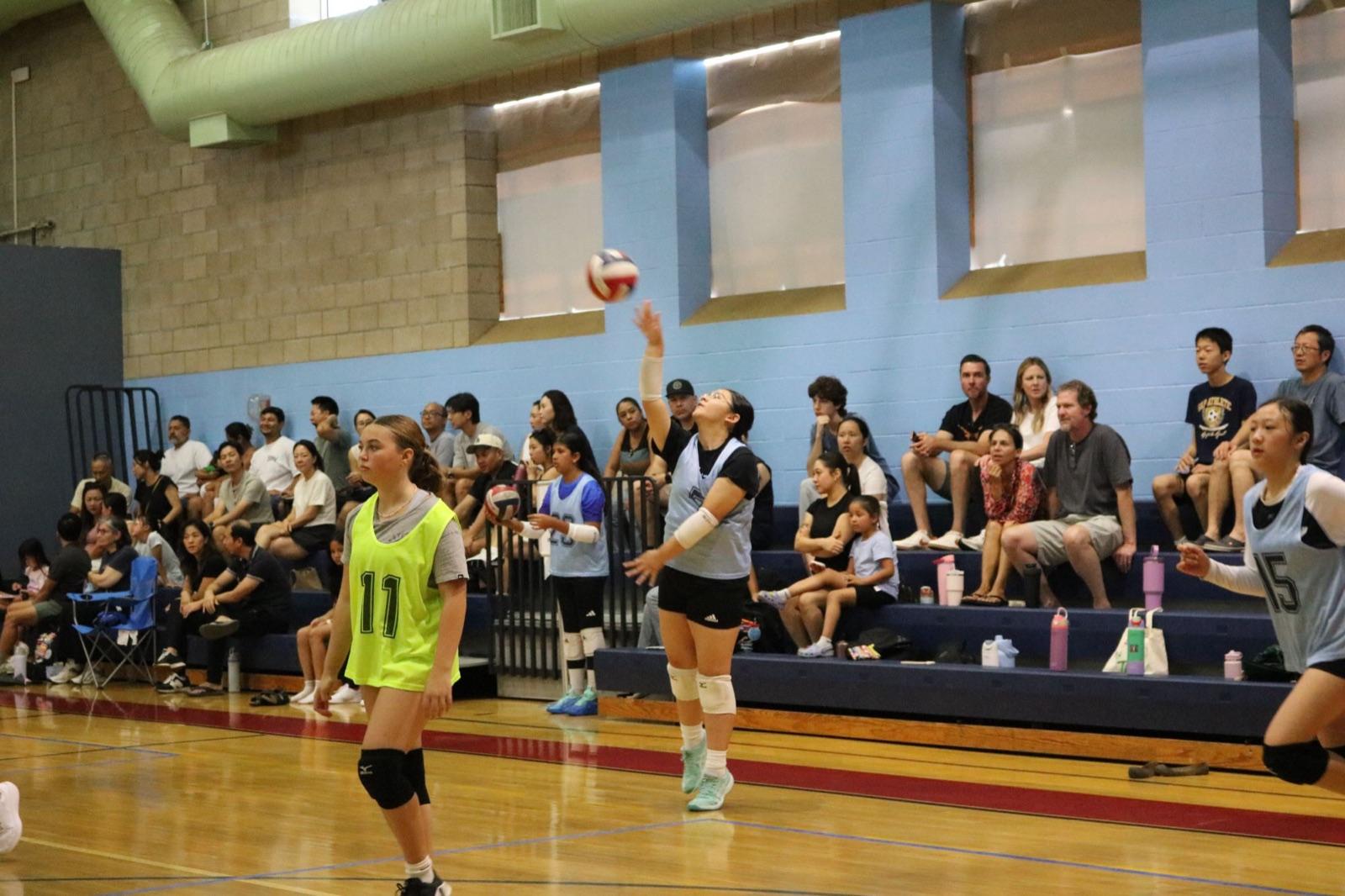
The usual pattern is pass, set, hit. The first touch, often a pass off the serve, is the one coaches care about most. If it goes high and lands near the setter, the team has options. If it shanks off an arm into the bleachers, nothing good happens next.
So here's a tip for the stands. Don't just watch the kill. Watch the pass that started it. Most parents follow the ball to the hitter. Coaches are already looking at where the first contact went.
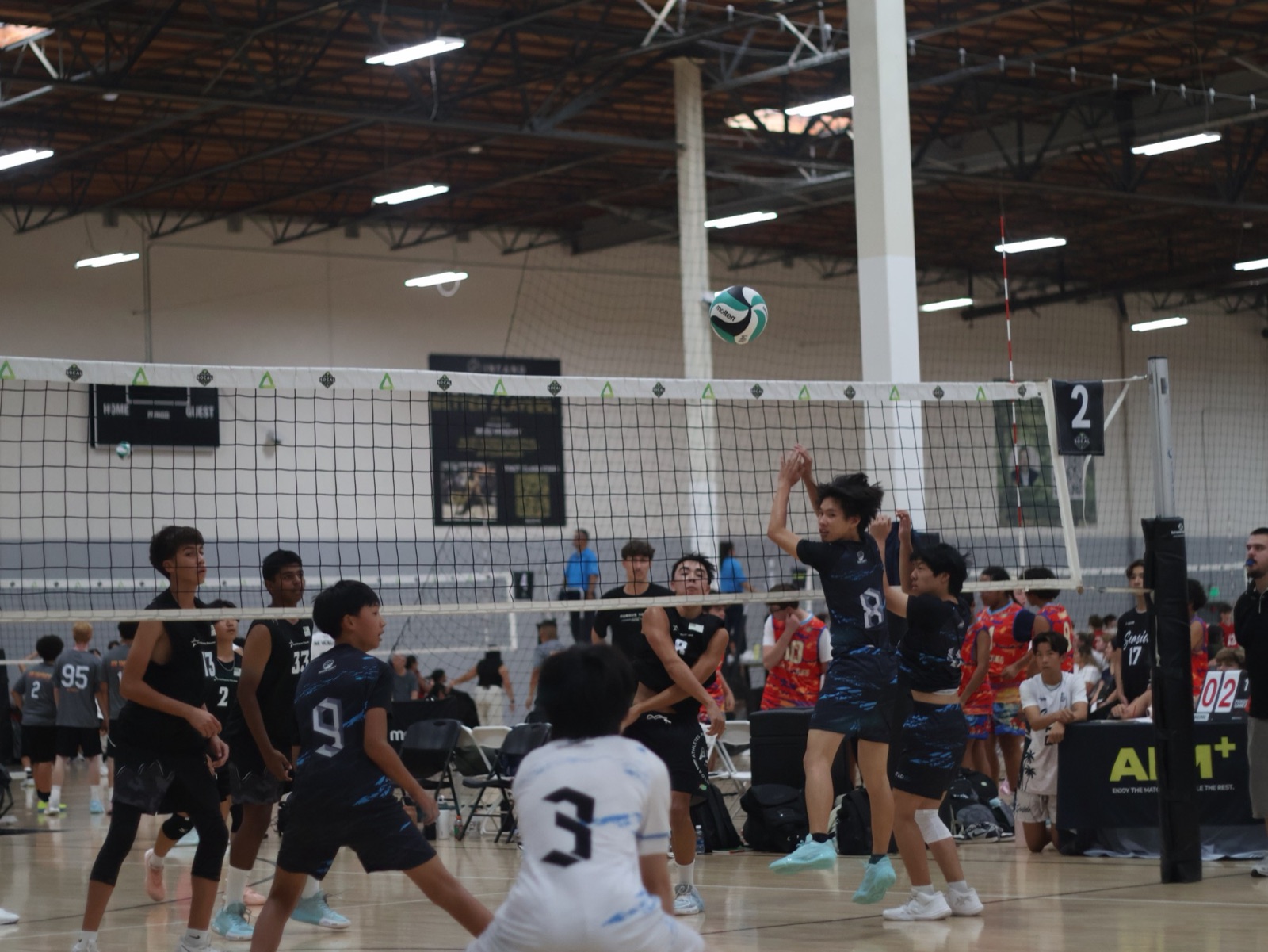 The block is the one touch that doesn't count toward a team's three.
The libero in the different jersey
One player on each team often wears a jersey that doesn't match. That's the libero, a back-row defender who can come in and out for back-row players without it counting as a normal substitution. Liberos can't attack the ball from above the net and can't block. Their job is passing and digging, and good ones are a joy to watch.
If your kid is the libero, they'll be off the court in the front row every rotation. That's normal.
Who's that with the whistle?
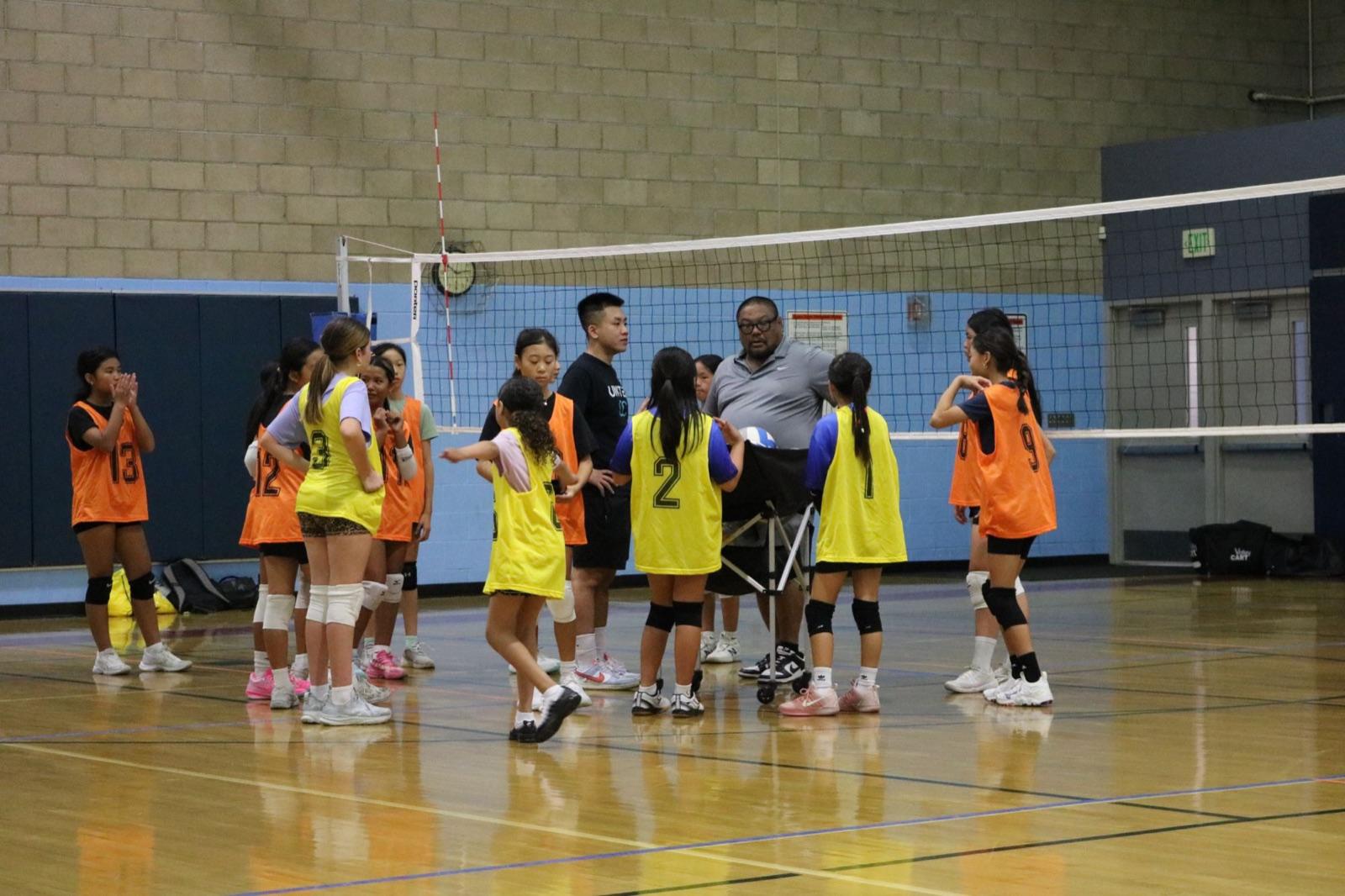
At most junior tournaments the teams referee each other. Your kid's team might play at 8 and work the 10 o'clock match, running the scoreboard and holding line flags. Parents are sometimes surprised by this. It's part of the day, and it teaches players the rules faster than any handout.
It also means the ref on your court might be 15. They'll miss calls. Please let them.
What's worth cheering
Kids notice what their parents react to. If the only time you yell is on a big hit, the passer who did the hard part hears nothing.
A few things worth a clap that most of the gym ignores:
- A dig that stays up, even an ugly one
- A serve in after two straight misses
- A player calling the ball loudly and then taking it
- A good cover, where teammates crouch around the hitter in case the block sends it back
And the one rule that never changes. Cheer for your team, never against the other kids or the ref. The gym is small. Everybody hears.
Start small
You don't need all of this by Saturday. Pick one thing, maybe the rotation, and watch for it the whole first set. Next match, watch the first pass. It adds up quicker than you'd think.
If your player is brand new and you want to see the basics up close before a tournament, our weekend clinics run every Saturday and Sunday across Orange County. And if there's a call you saw this weekend that still makes no sense, send it through the contact page. We'll explain it, and it might turn into a post.
Train with us
Weekend clinics, camps, club teams and private training across Orange County, ages 8 to 18.
Find a program